




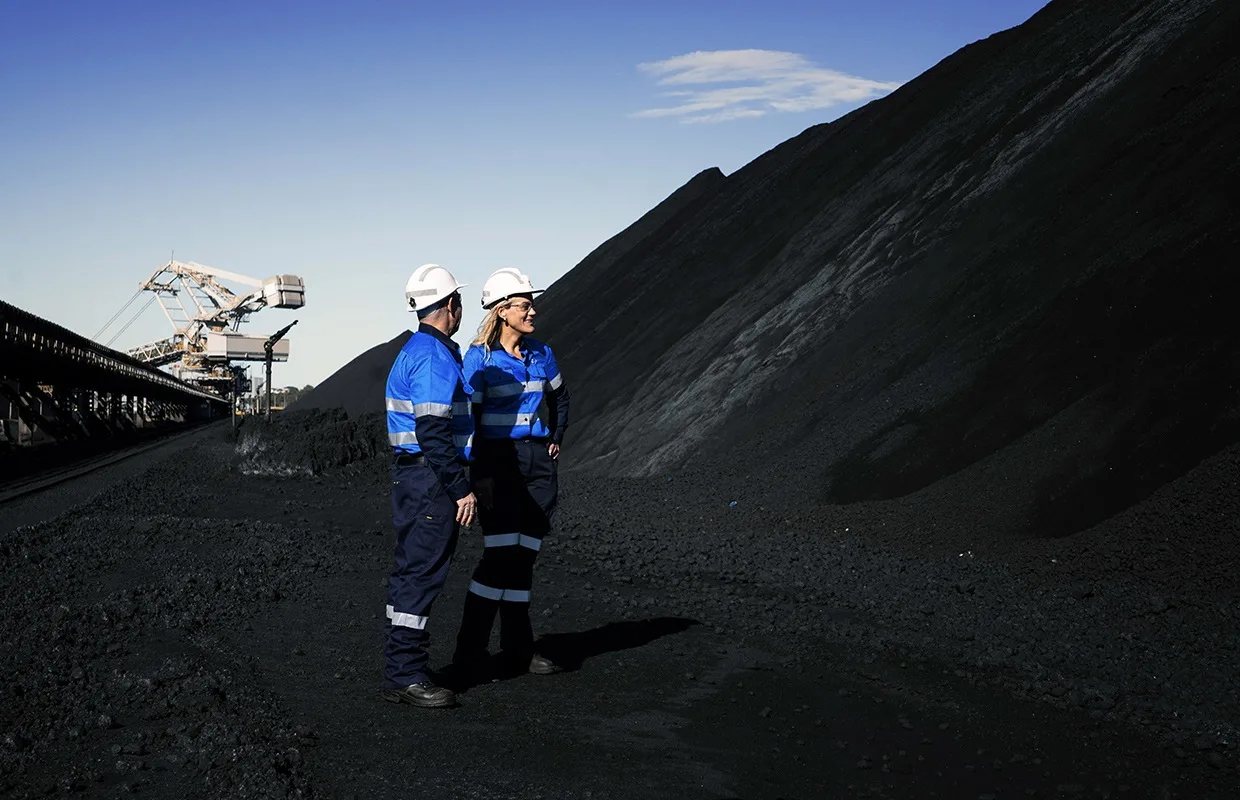
M Resources delivers a suite of essential steelmaking raw materials, infrastructure, and mining and logistics services to steelmakers across the globe. Matt Latimore, Founder and President, details the company’s future-facing approach to investment and market growth.
ESSENTIAL TO STEELMAKING
Trends in the Australian resources sector reflect the larger economic and technological changes taking place across the world.
The international energy sector is seeing the most significant shift, where the large-scale transition to electrification is well underway, whilst the extensive adoption of artificial intelligence (AI) is driving demand for compute and energy on a global scale not seen before.
M Resources is a key player in this environment that continues to expand its strong metallurgical coal supply business, whilst extending into future-facing raw materials to meet these challenges.
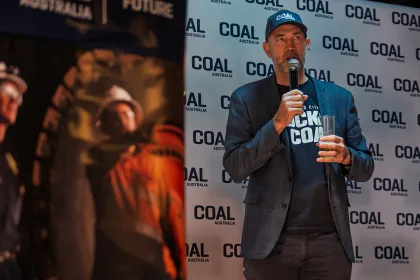
“Over the years, we have worked to build a vision for a company tapping into global imperatives, looking to anticipate future patterns of supply and demand,” opens Matt Latimore, Founder and President.
M Resources is consistently looking to the horizon to anticipate changes in global economics, geopolitics, and technological developments, proactively working to meet these evolving needs.
Case in point, the company has created a 30-to-50-year strategy focused on important global imperatives including metallurgical coal supply, green steel readiness, and investment in critical minerals.
Through this strategy, M Resources is building a diversified, asset-backed portfolio aligned with global steel and energy trends.
“To be visionary, we need to have a very high awareness of the environment. We need to understand the most significant influences, whilst anticipating how we expect change to occur. We continue to develop our plans based on our strategic intent,” Latimore sets out.
M Resources has adopted a strategic vision since its inception. Established in 2011, the first five years of the company’s journey were spent procuring coal from big suppliers and selling it to steelmakers across the world. In 2016, M Resources added its first adjacency by investing in metallurgical coal companies whilst gaining additional marketing rights.
“When we started, we were doing around 1.8 million tonnes (t) of coal exports. Today, that business has grown to export over 25 million t per annum (Mtpa). We’ve been able to expand our presence in the steelmaking sector,” outlines Latimore.
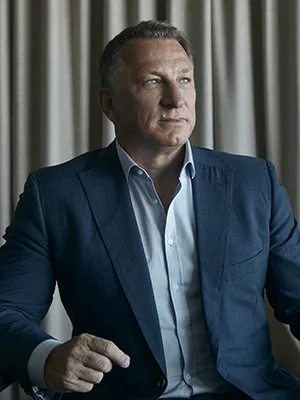
“To be visionary, we need to have a very high awareness of the environment. We need to understand the most significant influences, whilst anticipating how we expect change to occur. We continue to develop our plans based on our strategic intent”
Matt Latimore, Founder and President, M Resources
DRIVING GLOBAL STEELMAKING
M Resources proudly ranks amongst the top three metallurgical coal movers in the world.
Leveraging the extensive network of its parent company, M Resources maintains a global presence with representatives from the US, UK, Switzerland, Singapore, China, India, Germany, and South America, alongside its headquarters in Australia.
“We’ve built a strong metallurgical coal supply business, exporting more than 25 Mtpa of coal, placing us amongst the top three coal exporters globally,” Latimore highlights.
Additionally, M Resources has achieved over AUD$3.5 billion in assets under management, with a revenue of over AUD$2 billion.
The company has strong confidence in the ongoing demand for steelmaking coal and continues to look for opportunities to evolve its core business.
Australian coal and iron ore have been critical to the global steelmaking complex for decades.
As the world continues to develop and demand for steel increases, these commodities will continue to play a prominent role in supporting construction, infrastructure, and electrification across expanded energy grids, serving everything from wind turbines and solar panels to electric vehicles (EVs).
“In our view, trying to shift too quickly to green steel would result in a slower, more expensive, and disorderly energy transition, which would hit the developing world the hardest,” Latimore posits.
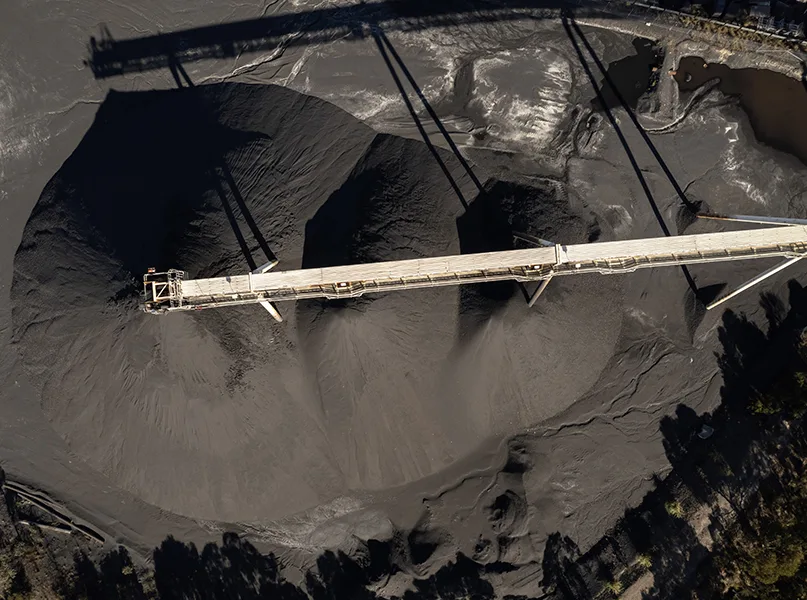
“Production of steel at scale is only possible using metallurgical coal for the time being. Given it is an essential ingredient for the energy transition, continuing to produce steel in the quantities required by the global economy is central to an orderly and just transition and lowering global emissions.”
For example, the Chinese government has decided to reduce its overall steel production capacity. It is also targeting for 30 percent of domestic steel production to come from low-emission electric arc furnace (EAF) technology by 2035.
At the same time, however, India’s government has a steel production target of 300 Mtpa by 2030 – an increase on current production levels of around 50 percent. By 2047, the country intends to increase its annual steel production capacity to 500 Mtpa. This will be predominantly achieved using metallurgical coal.
With new steel production from India using metallurgical coal and feeding a world with an increasing appetite for steel, traditional steelmaking methods will remain critical over the next 30 years.
“Blast furnace-basic oxygen furnace (BF-BOF) steelmaking using metallurgical coal will increase as the scale of production escalates. This method is going to be around for a long time, with strong demand in India and Southeast Asia, and we’re well-positioned to supply that,” Latimore informs.
Abreast with industry developments, M Resources is also assessing opportunities for steelmaking with EAF technology.
“EAF is a method of steelmaking that’s going to become more popular as time goes by. For example, steel products being imported into the European Union (EU) are subjected to the Carbon Border Adjustment Mechanism, causing higher embedded carbon emissions to have an impact on price,” he tells us.
“Where these or similar rules apply, low-emission steel may have an advantage, and we are staying in touch with all of these developments.”
“We’ve built a strong metallurgical coal supply business, exporting more than 25 Mtpa of coal, placing us amongst the top three coal exporters globally”
Matt Latimore, Founder and President, M Resources
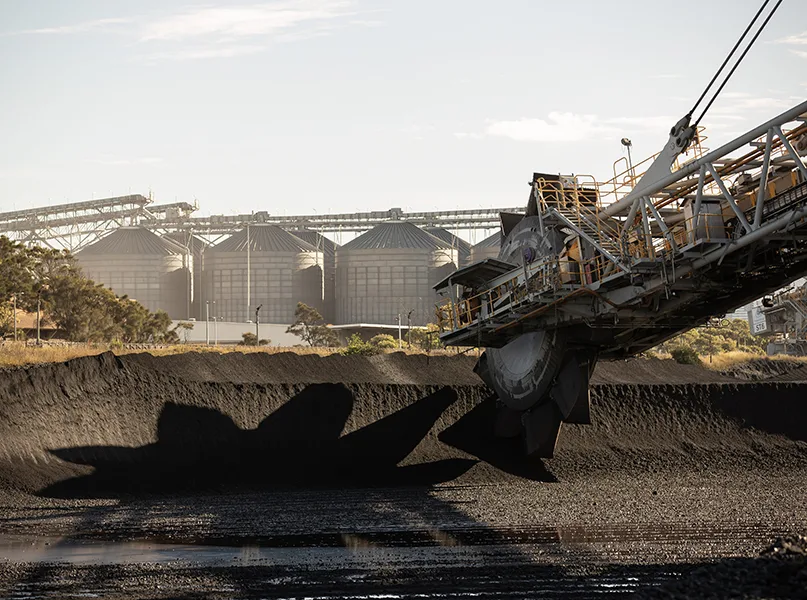
CRITICAL MINERAL DIVERSIFICATION
Going forwards, M Resources is diversifying across the energy value chain into critical minerals through M Critical Minerals (MCM). Part of the M Group portfolio, it is committed to remaining at the forefront of critical minerals exploration.
MCM has developed an enviable set of resources, with substantial assets in vanadium, graphite, copper, and rare earth metals – minerals integral to the foundation of a sustainable future and a range of high-tech applications, including in the medical and defence sectors.
It is growing a strong presence in the sector through the exploration and development of high-quality critical minerals and rare earths resources. This aligns with the increase in both electrification and renewable energy requirements, which are generating greater demand for more durable battery storage.
“Graphite is the dominant anode material used in modern lithium batteries, so we expect demand to grow strongly in the coming years. For example, EVs require 50 to 100 kilograms of graphite, whilst EV sales are projected to grow more than 30 percent annually,” Latimore explains.
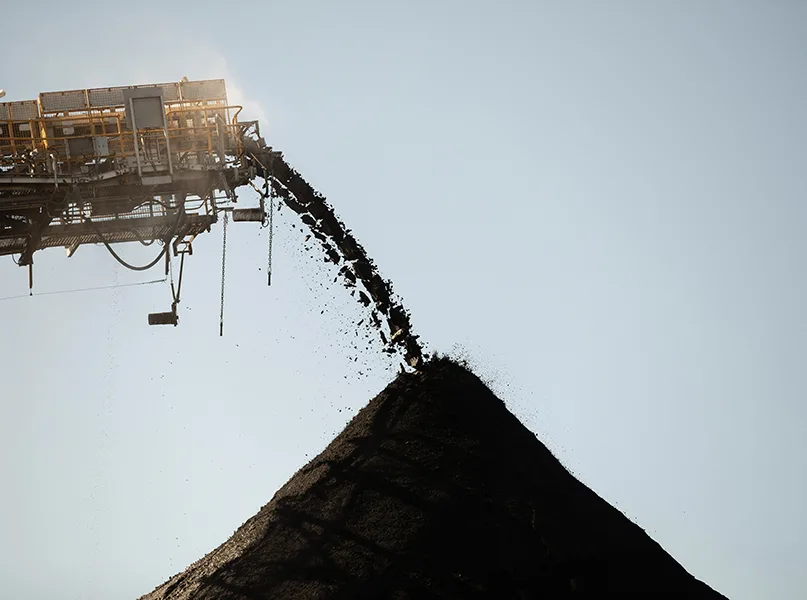
Meanwhile, vanadium flow batteries (VFBs) are predicted by the International Energy Agency (IEA) to become commercially suitable in 2030, growing modestly to capture a wider market for storage applications in large renewables projects.
“If VFBs achieve widespread commercialisation earlier than expected, then utility-scale storage technology could shift more quickly. An early commercialisation scenario for these could result in 2.5 times more demand for vanadium compared to the base case in 2030 and 50 percent more demand in 2040,” Latimore says.
Copper is another strong driver of modern technology and the clean energy transition as it can be recycled indefinitely without degrading in quality, making it a leader in material choices.
Furthermore, copper is in high demand for electrical applications including power grids, renewable energy, and EVs. In fact, EVs require four times more copper than traditional vehicles, whilst solar and wind power also call for substantial levels of copper.
“Vanadium, graphite, and copper present strong avenues for growth as the energy market evolves, particularly in the US and Europe, where these minerals are of strategic significance,” adds Latimore.
“The vision for M Resources is to expand our investments in infrastructure, mining services, and different commodities with a multi-generational, long-term view, meeting the growing needs of new commodities in the future”
Matt Latimore, Founder and President, M Resources
POWERING THE ENERGY OF TOMORROW
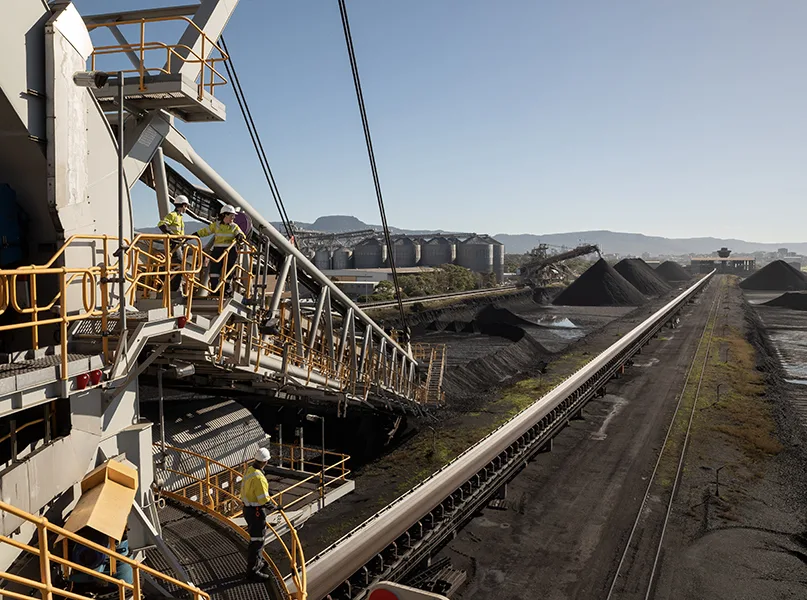
M Resources is building an alternative supply chain to provide new options for the supply of critical minerals and rare earth metals through the launch of M Battery Materials (MBM), which is planned for an Australian initial public offering (IPO) and listing on the Australian Stock Exchange (ASX) later this year.
“A new focused entity sitting within the broader M Group, MBM includes world-class assets, such as three high-grade graphite deposits in Northwest Queensland (QLD), including Mount Dromedary and Burke, which have amongst the highest-grade total graphitic carbon in Australia,” Latimore notes.
This is just one example of the ways in which M Resources is building and enabling future-leaning investments in critical minerals.
STRONG OUTLOOK
At its strategic retreat at the end of 2025, Latimore and the M Resources executive team agreed to double revenue, or to have the settings in place to achieve this, by the end of 2026.
In mid-2026, the company had already achieved an AUD$2 billion run rate, signalling this important goal was well within reach.
To achieve its revenue target, M Resources has a clear set of priorities.
The company is working to expand its core business by growing its coal tonnage into new areas.
“We believe in a strong outlook for metallurgical coal, particularly in India and Southeast Asia, and we are looking into large-scale expansions in those markets,” Latimore reveals.
M Resources is also increasing its footprint and exposure to the steelmaking complex by exploring opportunities in natural adjacencies to metallurgical coal, such as high-quality iron ore and steel scrap – two elements that align with the global direction of the steelmaking economy.
The company is additionally in the process of acquiring additional mining and port operations across various locations in Australia and South America. Moreover, M Resources is seeking to increase its investment in low-emission steelmaking as it continues to be associated with world-class steel production.
This points to the company’s mission to make future-leaning investments in critical minerals, mining, and sustainable infrastructure through a clear future strategy that spans half a century.
“The vision for M Resources is to expand our investments in infrastructure, mining services, and different commodities with a multi-generational, long-term view, meeting the growing needs of new commodities in the future,” Latimore concludes.
This company profile was produced by the editorial team at APAC Outlook, a publication within the Outlook Publishing global network of B2B industry magazines.
Outlook Publishing showcases organisations and leadership teams shaping sectors including manufacturing, mining, construction, healthcare, supply chains, food production, and sustainability.
APAC Outlook highlights organisations driving innovation, investment, and industry development across the Asia-Pacific region.