



Southeast Asia is experiencing a surge in live entertainment, transforming travel, social interaction, and self-expression. Stan Lee, Business Director at Verve The Live Agency – Singapore, discusses how brands that authentically engage with these communities can create meaningful interactions that foster deeper emotional connections and shared experiences.
FESTIVAL BOOM OFFERS BRAND OPPORTUNITIES
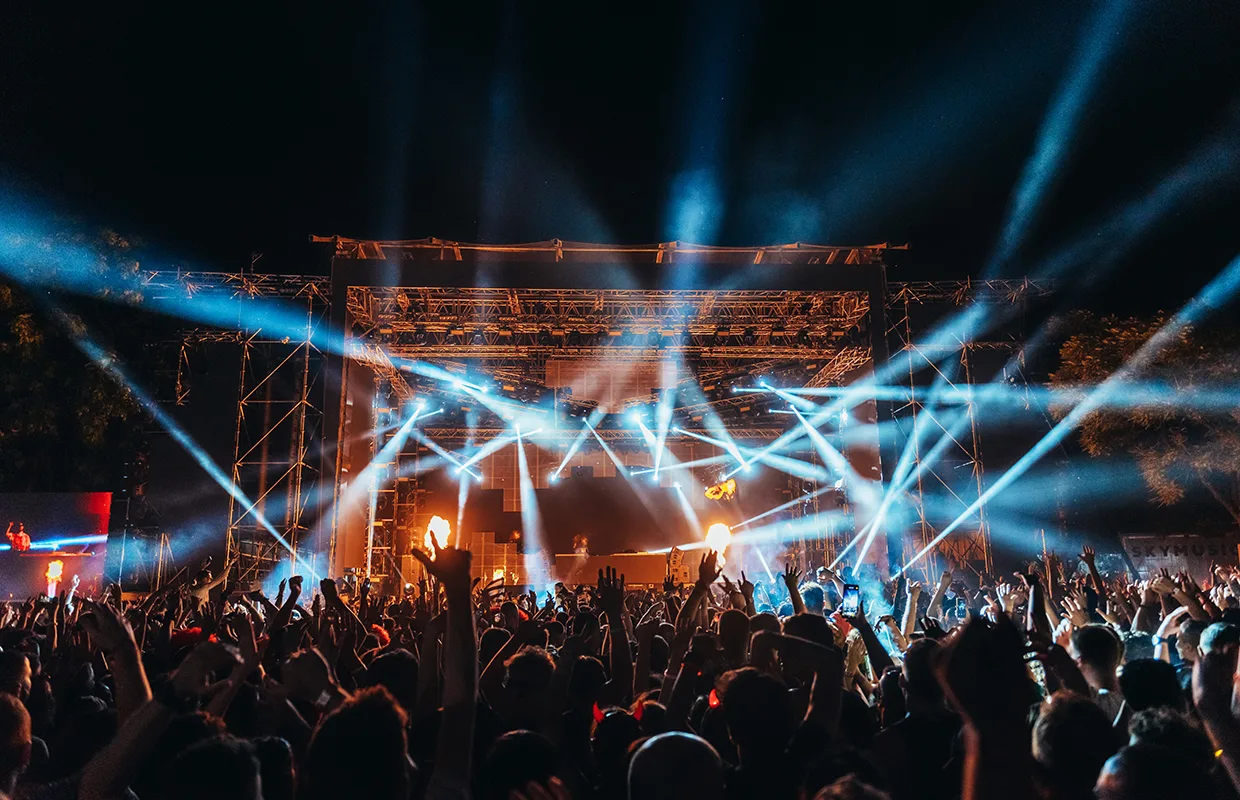
From stadiums and festivals to sports and creator-led events, live entertainment is surging across Southeast Asia (SEA), reaching both mass and niche audiences, and it’s no longer just about entertainment – it’s becoming part of how people travel, spend, socialise, and express their identity.
Live events allow brands to earn real attention. Whilst online media is fragmented and expensive, live environments ensure audiences are present, emotionally engaged, and surrounded by community.
Consequently, shared experiences are valued and sought after, and so people are willing to spend both time and money to be part of the collective thrill.
FESTIVALS AS A COMMUNITY ACROSS PLATFORMS
The strongest festivals and live entertainment properties in SEA sit inside communities built around music, food, fashion, wellness, art, sport or youth culture.
People organise their weekends, travel plans, outfits, group chats, and content around these moments. Therefore, brands wanting to reach these audiences need to see them as communities first, and consumers second.
For example, Wonderfruit in Thailand is a festival that can become more than a music event, offering programming across art, culture, nature, food, and diverse experiences.
Brands partnering with the event this year include Topologie, Kinto, and Panpuri.
Similarly, We The Fest in Jakarta also positions itself across music, art, fashion, and food, reflecting how many Southeast Asian festivals are becoming broader lifestyle platforms rather than single-category events.
Brands should also think beyond the live audience at the festival itself. Attendees are content creators, advocates, and amplifiers, extending the value of the experience well beyond the venue.
Additionally, brands should not assess these partnerships solely by footfall or logo exposure; rather, the real value often lies in content, social sharing, cultural relevance, and post-event recall.

SEA CANNOT BE TREATED AS ONE MARKET
Whilst most Southeast Asian brands are fully aware that the region’s audience is not homogeneous, too often global brands take a one-size-fits-all approach.
Audiences in the region are savvy, and inauthentic cultural references won’t be tolerated and won’t do much for brand equity. For instance, what works in Singapore may not work in Jakarta, Bangkok, or Kuala Lumpur.
Furthermore, market context, language, religion, nightlife culture, spending behaviour, fandom habits, and family structures all shape how people experience events. Therefore, brands need cultural fluency to know when to localise and when they can credibly play a more significant role.
THE OPPORTUNITY IS BIGGER THAN ONE EVENT SEASON
Brands aren’t the only organisations looking to use and tie in with live experiences.
Additionally, governments and tourism boards across the region are increasingly using events to drive tourism, soft power, and destination branding.
Singapore has been clear about using leisure events to strengthen its visitor economy, whilst major concerts and sporting events play a key role in establishing it as a regional hub for live events.
To illustrate, Singapore was notably the only Southeast Asian stop on Taylor Swift’s Eras Tour, with six sold-out shows. Moreover, it was supported by the Singapore Tourism Board (STB) as part of a broader strategy to attract world-class events and drive tourism value.
As a result, large-scale concerts, including those by Taylor Swift and Coldplay, reportedly contributed between S$350 million and S$450 million in tourism receipts, a figure noted by the Monetary Authority of Singapore (MAS).
Thailand is also moving in this direction. Tomorrowland Thailand 2026 is set to take place in December at Wisdom Valley Pattaya, marking the festival’s first full-scale Asian edition.
Positioned as part of the country’s ambition to become a world-class events hub, the festival is expected to bring large-scale international production, tourism value, and global attention.
Live entertainment is now key for cities competing for attention and tourism. For brands, this means they can pursue longer-term partnerships with festivals and entertainment events, moving beyond one-time sponsorships to build lasting associations with communities and cities.
MEANINGFUL ACTIVATIONS
The best brand activations do not interrupt the festival; instead, they improve it or add value.
For instance, this could include charging stations, creator spaces, curated stages, afterparties, transport partnerships, and hospitality. In addition to loyalty benefits, better navigation, or content that brings fans closer to the moment.
Tying brand attributes to on-site requirements and services builds brand recognition and strong associations that last beyond the festival or event’s final day.
From an experiential marketing perspective, the opportunity is not just to build something visually impressive – it is to understand the full audience journey: before arrival, onsite and after they leave.
Furthermore, the strongest ideas often come from friction points such as queues, access, comfort, content capture, payment, navigation, and crowd movement.
MEASUREMENTS NEED TO BE CLEAR FROM THE START
Like any other area of marketing and brand activation, success must be determined and measured from the outset.
Key performance indicators (KPIs) can include dwell time, participation, QR scans, data capture, redemption, social reach, sentiment, content creation, lead quality, and post-event purchase intent.
A brand shouldn’t buy into a festival just because it’s popular; it needs to engage with a relevant audience and have a credible reason to be there to measure impact.
Additionally, SEA’s festival and entertainment boom is a huge opportunity, but only for brands that know how to participate meaningfully.
In fact, the region does not need more branded clutter – it needs brands that add value, respect the community and understand the cultural context they are entering.
Ultimately, the winners will not be the brands with the biggest logos or loudest activations, but rather the ones people remember for what made the experience extraordinary.
This article was contributed by a guest author and published by the editorial team at APAC Outlook, part of the Outlook Publishing global network of B2B industry magazines.
Outlook Publishing features leadership insights, industry perspectives, and company stories from organisations shaping sectors including manufacturing, mining, construction, healthcare, supply chains, food production, and sustainability.
APAC Outlook explores the companies, leaders, and industry developments driving growth and innovation across the Asia-Pacific region.