




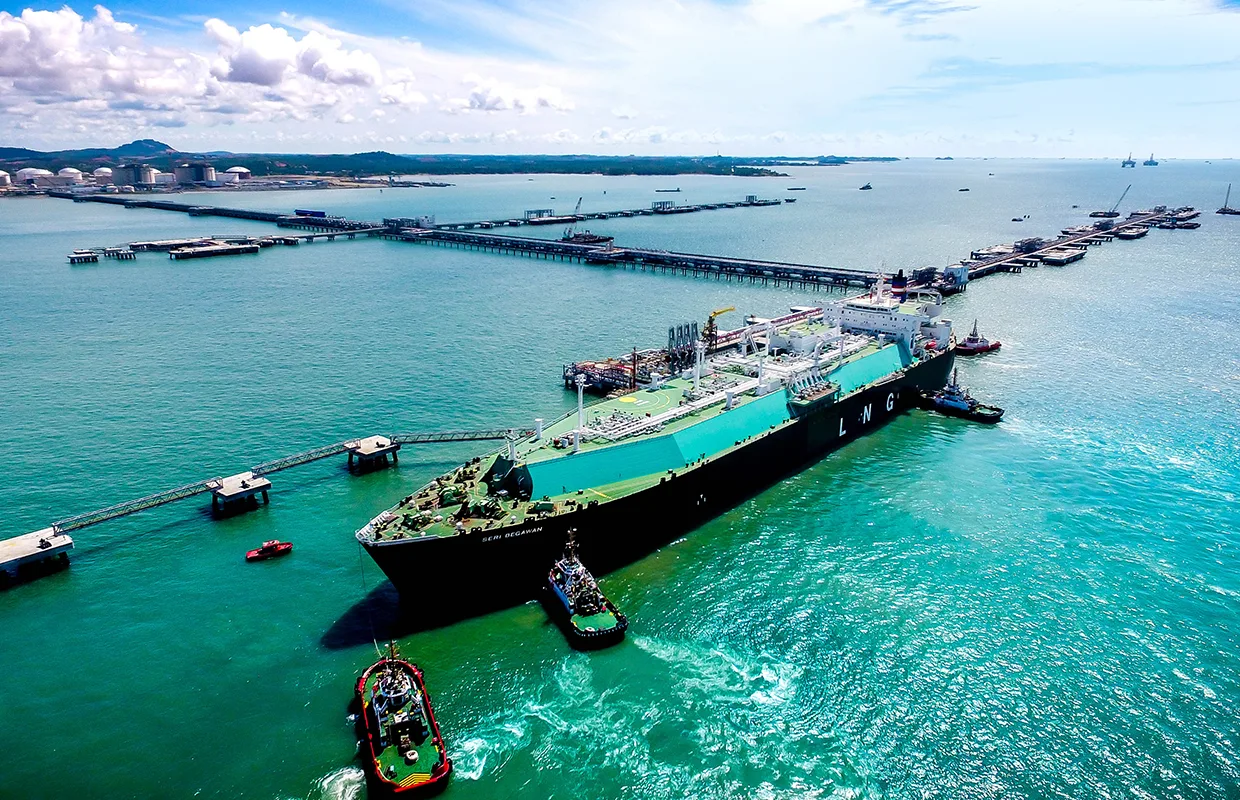
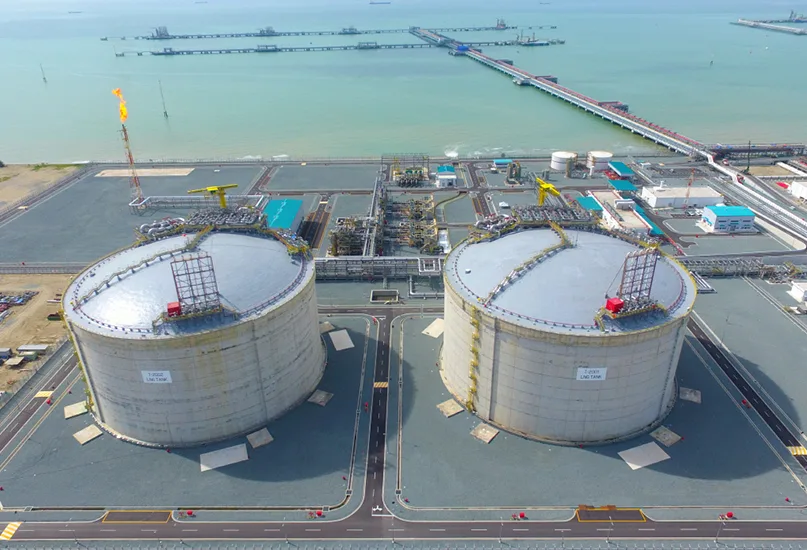
Malaysia is naturally blessed with an abundant availability of indigenous gas, a resource that remains a strategic anchor in the nation’s ambitious and ongoing energy transition.
SPOTLIGHT ON MALAYSIAN GAS
Malaysia’s gas story is one of national transformation.
It began with the Four-Fuel Diversification Policy in 1981 and accelerated with the Peninsular Gas Utilisation (PGU) system throughout the 1980s, which unlocked offshore gas from the state of Terengganu and supplied industries across Peninsular Malaysia.
The impact was profound. Gas consumption grew from merely four million standard cubic feet per day (MMSCFD) in the early 1980s to over 2,000 MMSCFD today.
Since 1997, natural gas has been Malaysia’s dominant energy source powering industrial expansion, stabilising electricity prices, and supporting sustained economic growth.
Today the gas ecosystem contributes RM135 billion annually, supports 80,000 jobs, and is projected to add an additional RM400 billion to public finances over the next decade.
Furthermore, natural gas provides around 43 percent of Malaysia’s Total Primary Energy Supply (TPES) today and will remain significant, contributing to around 56 percent TPES by 2050, supported by carbon capture, utilisation, and storage (CCUS), hydrogen readiness, and methane management.
As renewable energy expands, gas provides the flexible, lower-carbon baseload capacity needed to support rising demand from industry, manufacturing, and more recently, burgeoning requirements from data centres.
As such, the industry is evolving from a mere energy source supplier to an integrated decarbonisation partner.
Q&A WITH THE MALAYSIAN GAS ASSOCIATION (MGA)
Promoting a vibrant and sustainable gas industry, the Malaysian Gas Association (MGA) is the lead advocate fuelling the nation’s socioeconomic growth. We chart a journey of resilience and transition with President, Abdul Aziz Othman.
Could you share more about your role and your perspective on representing the gas industry in today’s energy transition context?
Abdul Aziz Othman, President (AAO): As MGA approaches its 40th year, our mission remains anchored in championing natural gas as a clean, reliable, and strategic component of Malaysia’s energy system.
As President, I carry the responsibility of representing a diverse industry voice, strengthening alignment with policymakers, and ensuring gas continues to support Malaysia’s transition in a practical, sustainable, and future-ready manner.
Established in 1986, MGA has evolved into a national platform representing more than 150 member companies across the entire value chain.
This breadth positions us as the central convening body for industry dialogue, structured engagement, and coordinated policy development.
Our work spans advocacy, communication, and industry development ensuring that the gas ecosystem grows responsibly and sustainably.
Over the decades, MGA has been a trusted partner to government ministries and agencies, contributing industry perspectives to recent key national frameworks, including:
- National Energy Policy (2022 – 2040)
- National Energy Transition Roadmap (NETR)
- Long-Term Low Emissions Development Strategy
- National Biomass Action Plan 2023-2023
- National Energy Efficiency Action Plan (NEEAP)
- Hydrogen Economy and Technology Road Map (HETR)
- Carbon capture and storage (CCS) and CCUS committees
These collaborations ensure Malaysia’s transition is both ambitious and achievable, whilst grounded in real industry capabilities and energy system needs.
Our purpose has always been to grow the Malaysian gas industry responsibly and sustainably through advocacy, communication, and education.
Fast forwards to today, our role is to also ensure natural gas is recognised for what it truly is – a strategic, long-term pillar of Malaysia’s secure and sustainable energy system.
Beyond Malaysia, MGA plays an active role on the international stage as a Charter Member of the International Gas Union (IGU), representing the country and the wider region in global energy dialogues.
Today, Malaysia continues its international leadership as IGU Regional Coordinator for Southeast and South Asia, strengthening regional engagement and amplifying the collective voice of the Association of Southeast Asian Nations (ASEAN) in global conversations.
Representing the region at the IGU allows Malaysia and MGA to bridge technical knowledge with policy formulation, and to bring local realities into global ambition-setting. Too often, gas is underrepresented in global debates and views of the developing economies being sidelined, which can disadvantage emerging markets.
ASEAN economies face rising energy demand, diverse development stages, and ambitious decarbonisation goals. Therefore, adopting transition models that ignore these realities is neither practical nor equitable.
Our role is to ensure developing economies are heard. That means advocating for gas as a transition enabler, calling for appropriate financing mechanisms, and encouraging more flexible, context-sensitive policy pathways.
The message is clear – for ASEAN and many emerging regions, gas still matters, and it must remain part of the global energy solution.
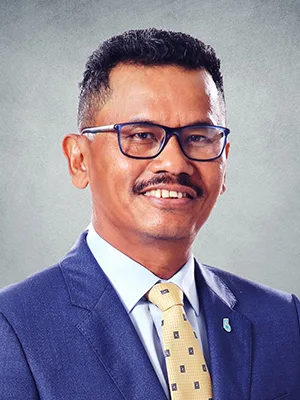
“Progress is never driven by one institution alone. It takes the whole ecosystem, moving together”
Abdul Aziz Othman, President, Malaysian Gas Association (MGA)
What is the outlook for the natural gas industry in the coming decades?
AAO: Malaysia’s first Natural Gas Roadmap (NGR) is a complementary extension of the NETR that was launched in August 2023.
The NGR will be a pivotal framework shaping the nation’s long-term gas supply security, competitiveness, and low-carbon readiness. As a leading voice for the gas industry, MGA actively participated in the formulation of the NGR.
Although yet to be published, the strategic importance of the roadmap is clear – it will strengthen long-term planning, guide supply-demand balance, support infrastructure development, enhance market vibrancy and development through enhanced third party access (TPA), and accelerate a low-carbon future.
The NGR gives Malaysia a structured set of guidelines to plan and implement a secured, affordable, and future-ready gas system. As domestic production gradually declines and ASEAN becomes a net gas importer, we need clarity especially on infrastructure investment, market reform, and decarbonisation pathways and action plans.
The roadmap is also expected to address long-term supply and demand balance, infrastructure and investment planning, market vibrancy and competitiveness, and low-carbon readiness.
As the industry awaits its release, MGA will intensify advocacy, unify perspectives, and strengthen gas literacy across the ecosystem.
What are some of the organisation’s near-term key priorities and how is MGA strengthening cross-sectoral and cross-border collaboration?
AAO: MGA’s initiatives reflect its role as a national and regional voice and bridge for the industry.
Key programmes include:
- Gas advocacy and communication campaigns – Supporting the NGR and enhancing Malaysia’s energy transition narrative through stakeholder engagement.
- Participation in national technical committees – Representing industry perspectives in NETR, NEEAP, HETR, and related policy platforms.
- Malaysia Women in Energy (MyWiE) – Championing diversity and inclusion through sector-wide initiatives, CEO roundtables, and publications, including the ‘Women in Energy: Pioneers, Innovators, and Change Makers in Malaysia’ book.
- PRESTIGE programme – Developing future energy leaders and strengthening talent pipelines.
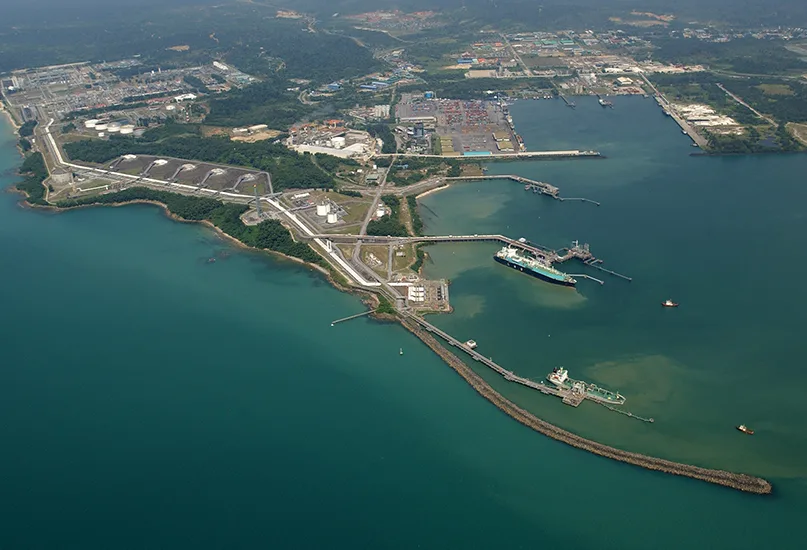
- Malaysian Gas Map, second edition – Providing a comprehensive view of Malaysia’s gas infrastructure and connectivity.
As IGU’s Regional Coordinator, MGA supports and facilitates the sharing of knowledge, experiences, and best practices amongst IGU members within ASEAN and South Asia through country specific or regional seminars, forums, and conferences.
MGA has also actively participated in regional initiatives to enhance connectivity and synchronisation of policies and action plans.
Together, these initiatives reinforce MGA’s role as a connector, convener, and catalyst for sector-wide and regional progress.
How do you see MGA’s role in the years ahead, especially approaching your 40th Anniversary?
AAO: Our future priorities align with where the energy system is heading – securing gas competitiveness through policy clarity, low-carbon solutions, and technology adoption.
We are also focused on strengthening regional energy integration and building a future-ready workforce through leadership development and inclusive industry culture.
These priorities underscore a single idea – Malaysia’s gas ecosystem must grow stronger, more connected, and more future-oriented.
“For our region, gas is not merely a bridge but a foundation for stability and long-term resilience”
Abdul Aziz Othman, President, Malaysian Gas Association (MGA)
Any final reflections on the industry’s direction and MGA’s evolving role?
AAO: As the world accelerates toward net zero, Malaysia and ASEAN must ensure the transition remains secure, inclusive, and economically realistic. For our region, gas is not merely a bridge but a foundation for stability and long-term resilience.
I often think of a gas turbine – it only delivers power when every blade and all the relevant mechanical parts turn in unison and in synchronicity.
MGA’s role mirrors that philosophy – we align the many parts of Malaysia’s gas ecosystem into one steady, unified voice.
What we do today – strengthening clarity, securing long-term supply, and deepening regional cooperation is about safeguarding reliability for generations to come.
Progress is never driven by one institution alone. It takes the whole ecosystem, moving together.
MALAYSIAN GAS ASSOCIATION PARTNERS