




Unearthing coal potential in Australia, Argo Natural Resources champions sustainable mining practices. Richard Livingstone-Blevins, CEO, delves into how the employee-centric company has an innovative and dynamic approach to its assets and operations.
PEOPLE-POWERED PERFORMANCE FUELLING PROGRESS
The coal mining industry is a cornerstone of Australia’s economy and energy landscape, providing essential resources that support both development and sustainability.
In recognition of the vast potential for expansion and innovation in this sector, Argo Holdings Queensland was established at the end of last year to strategically capitalise on emerging market opportunities.
To realise its ambitious vision, the company acquired a 70 percent stake in Fitzroy Australia Resources (Fitzroy) and recently rebranded it as Argo Natural Resources (Argo).
“We believe in coal and wanted to build a platform,” ardently introduces Richard Livingstone-Blevins, CEO of Argo.
The rebrand reflects a commitment to a focused, future-oriented approach in the mining industry, signifying a shift towards modern and responsible practices, which led to the formation of the company as it is today.
It also acquired Bowen Coking Coal following its administration, positioning the company as a mid-tier coal player.
This pivotal milestone allows Argo to actively engage in Queensland’s steelmaking coal mining industry, leveraging a rich portfolio of high-quality deposits that promise superior products.
The company benefits from access to exceptional transport infrastructure, ensuring efficient logistics and service delivery, with Dalrymple Bay Coal Terminal providing efficient and reliable access to consumers, further enhancing its ability to supply high-quality steelmaking coal.
This coal not only supports the construction of modern cities but also plays a vital role in sustaining livelihoods and contributing to a robust and thriving society.
“Our decision was driven by a strong belief in the long-term potential of coal, particularly in the metallurgical sector, but also recognising the ongoing need for thermal coal. Our conviction is rooted in the understanding that emerging markets are approaching a stage where they aspire to develop like advanced economies that have relied on coal for decades,” Livingstone-Blevins outlines.
“Despite the global push towards decarbonisation, there is currently no viable alternative technology to replace coal in crucial applications, such as blast furnaces for steel production.”
This reliance on coal is essential not only for industrial growth and infrastructure development, but also to meet society’s energy needs, particularly in regions where energy resources remain limited.
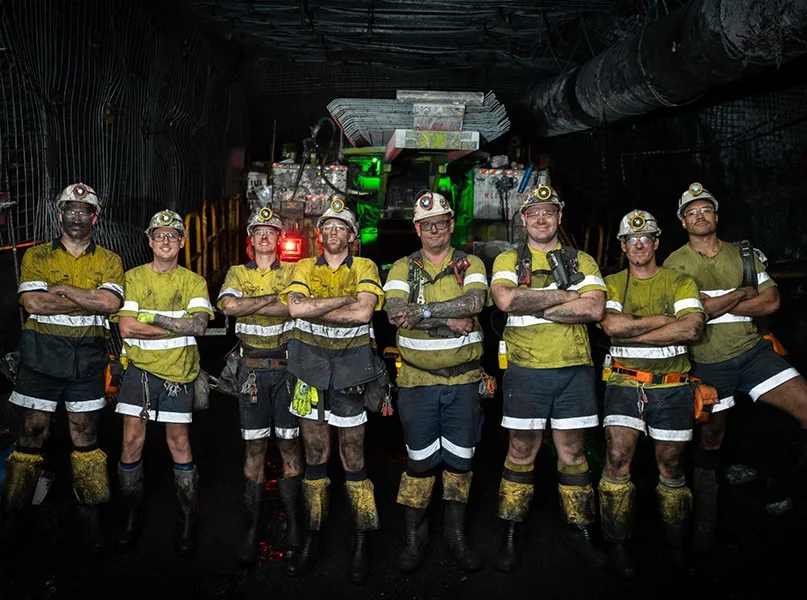
PIONEERING A NEW ERA
The current trajectory of technology necessitates the use of both types of coal.
“Despite the common narrative in mainstream media, particularly in Australia, that maintains coal should be viewed as a dirty commodity, companies like ours pride themselves on being good corporate citizens that mine sustainably in accordance with strict environmental regulations.
“We are dedicated to providing the world with coal in the cleanest and most sustainable manner possible,” emphasises Livingstone-Blevins.
Currently, Argo uniquely holds a 60-kilometre (km) strike length of consolidated tenements in the heart of the Bowen Basin, the world’s premier coking coal basin.
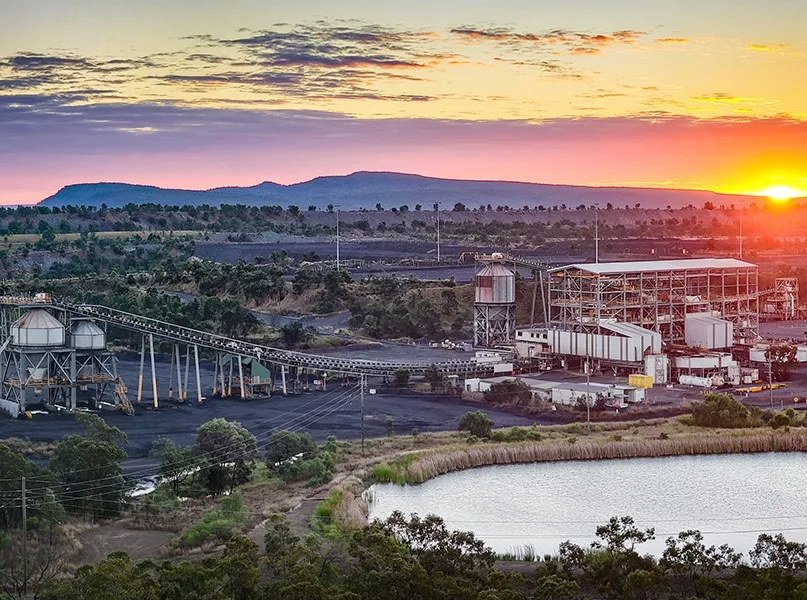
This provides the company with a significant continuous land and tenement portfolio, which includes four operational coal mines: Carborough Downs, Broadlea, Ironbark No.1 and, soon, the Burton Mine Complex.
The operation of these mines is strategically supported by an extensive network of interconnected haul roads and shared infrastructure that service Argo’s mine sites.
“We have two independent coal processing hubs and train loadouts, allowing us the ability to mine, process, and transport our coal very efficiently, with risk amelioration which is second-to-none.
“Additionally, we have a substantial package of development opportunities to enhance our market presence,” Livingstone-Blevins imparts.
Argo’s ambition is to become a globally relevant supplier of high-quality coal products. By the end of 2028 to early 2029, it aims to export over 10 million tonnes (t) of coal, leveraging both its existing operations and the growth potential within a 60-km strike length of tenements.
“With strategic plans in place, we see the possibility of increasing our output to 15 million t over the next five to six years, whilst maintaining the highest-quality coal in the market,” he assures.
“With strategic plans in place, we see the possibility of increasing our output to 15 million t over the next five to six years, whilst maintaining the highest-quality coal in the market”
Richard Livingstone-Blevins, CEO, Argo Natural Resources
EMPOWERING PROGRESS
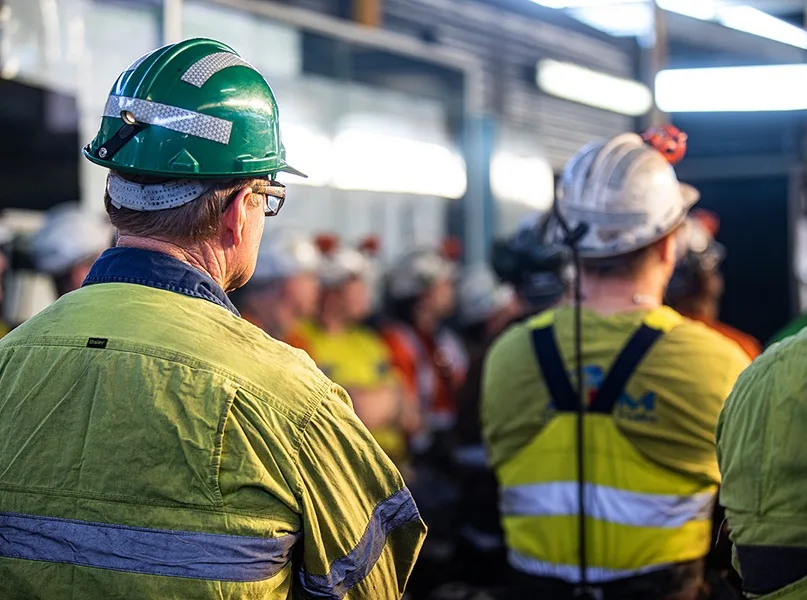
Central to Argo’s success is its dedicated team, which underpins all of the company’s aforementioned efforts.
“The essence of our organisation lies in our people. Whilst we have proven our ability to execute transactions, our success will be measured by our safe execution at our operations, and it is ultimately our people that will drive our future success,” prides Livingstone-Blevins.
With four operations running at full capacity, Argo expects over 1,200 people, including employees and contractors, to support its daily operations.
“Recognising the importance of investing in our team, we’ve already initiated several people development programmes. Partnering with Talisman Edge, we are implementing leadership training initiatives throughout the organisation, engaging everyone from the boardroom to front-line workers.
“Our goal is to empower individuals to understand themselves, their colleagues, and how their teams operate, enabling them to become the best versions of themselves at work,” Livingstone-Blevins states.
Interwoven with Argo’s development initiatives, it is rolling out several health programmes over the subsequent months focused on mental and physical well-being, including exercise, diet, mental health, and resilience.
Rather than mandating participation, it will provide access to resources and support for everyone, including psychological and dietary assistance, to foster overall health.
“We’ve already started some high-performance programmes with our leadership teams, bringing in coaches from professional sports, which emphasises our commitment to maximising the potential of our people.
“By prioritising their development and well-being, we believe we can create a thriving work environment that drives our success,” Livingstone-Blevins enthuses.
“The essence of our organisation lies in our people. Whilst we have proven our ability to execute transactions, our success will be measured by our safe execution at our operations, and it is ultimately our people that will drive our future success”
Richard Livingstone-Blevins, CEO, Argo Natural Resources
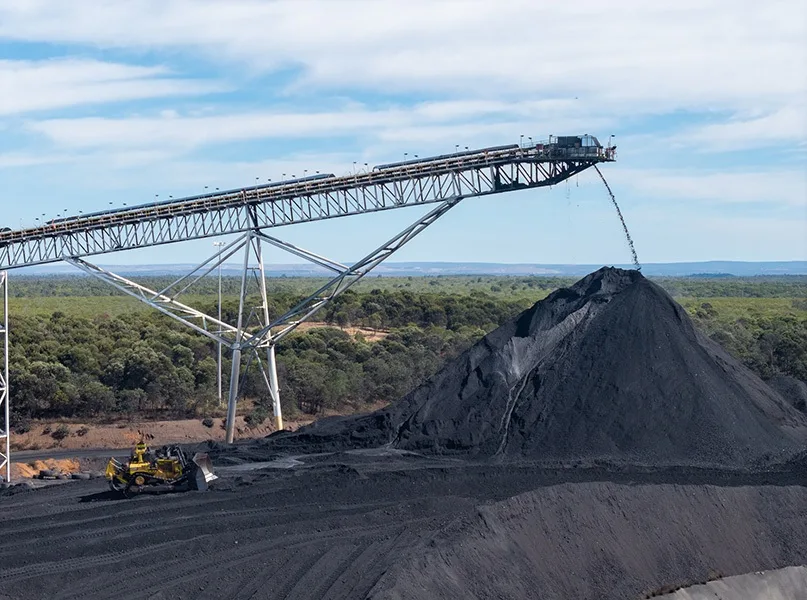
SUSTAINABLE DEVELOPMENT
Driven by a passion for creating value in the mineral resources sector, particularly as many major players exit the coal space, Argo’s focus is on providing long-term, quality employment opportunities.
The decision to acquire assets in the coal sector stemmed from Livingstone-Blevins and his partners’ previous experience with Fitzroy as part of its founding team in late 2016.
“When the opportunity arose to invest due to the major shareholder’s exit, we felt confident in our knowledge of the business, assets, and people, making the acquisition of Fitzroy a straightforward choice,” recalls Livingstone-Blevins.
Focusing on that opportunity first and foremost, the unexpected administration of Bowen Coking Coal then accelerated plans to acquire a second company, which they had always viewed as a complementary asset to Fitzroy due to its geographic proximity and shared infrastructure.
This strategic merger not only enhances operational synergies but also opens opportunities for further development and access to valuable coal reserves.
“Together, Fitzroy and Bowen Coking Coal hold around 4 billion t of resources along a 60-km strike length, positioning us to deliver clean, high-quality coal to the market,” Livingstone-Blevins points out.
Moreover, he underscores the importance of suppliers, who play a crucial role in Argo’s success.
“A significant portion of the procurement is focused locally, particularly in the Bowen Basin and Mackay regions, thereby strengthening community ties and fostering economic support in those areas.
“We prioritise long-term partnerships over transactional relationships with suppliers, believing that mutual success is achievable through collaboration with our suppliers, the local councils, and government,” he affirms.
This commitment to fostering lasting, win-win opportunities with suppliers and partners is essential to the company’s future growth.
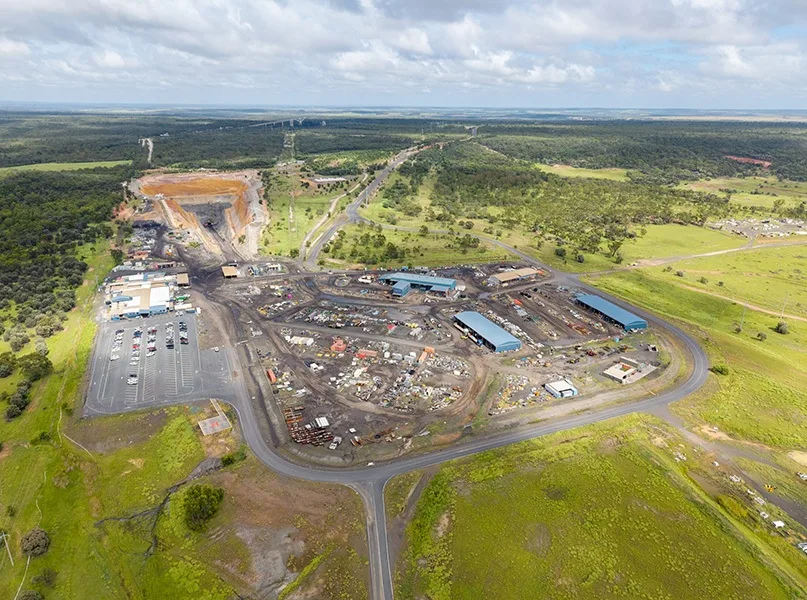
REDEFINING COAL MINING
A key part of Argo’s strategy is developing sustainable technologies, with a focus on benefitting the communities where it operates.
The growing emphasis on environmental, social, and governance (ESG) principles has driven innovation in the industry, particularly in areas like coal mine waste gas management.
“We are exceptionally proud of our efforts at the Ironbark No.1 mine, where we are upgrading our gas-fired power plant. Fitzroy led the way by partnering with Carbon Logica, which has been instrumental in providing part of the mine’s energy needs by constructing a five-megawatt (MW) coal seam gas power plant.
“We’ve just entered into an agreement to expand this capacity to 20 MW, so it will be one of the largest in the industry, generating sufficient power to cover all of Ironbark’s requirements from drainage gas that would have been flared in the past with no beneficial use.
“With our gas from our drainage program being supplied to Carbon Logica’s power plant, we are seeing not only environmental benefits but also improved commercial outcomes through our long-term power supply agreement with Carbon Logica,” notes Livingstone-Blevins.
This expansion not only fuels Argo’s operational power needs but also showcases a unique approach in the coal mining industry.
“Our project benefits from support through the Queensland Treasury’s Low Emissions Investment Partnerships (LEIP) programme, which encourages the promotion of low-emission technologies,” he highlights.
“As we look to the future, we aim to demonstrate that coal mining can be conducted sustainably and cleanly, ensuring a positive impact on the community and contributing to the narrative of reduced emissions in our sector.”
“As we look to the future, we aim to demonstrate that coal mining can be conducted sustainably and cleanly, ensuring a positive impact on the community and contributing to the narrative of reduced emissions in our sector”
Richard Livingstone-Blevins, CEO, Argo Natural Resources
COMMITMENT TO SAFE OPERATIONS
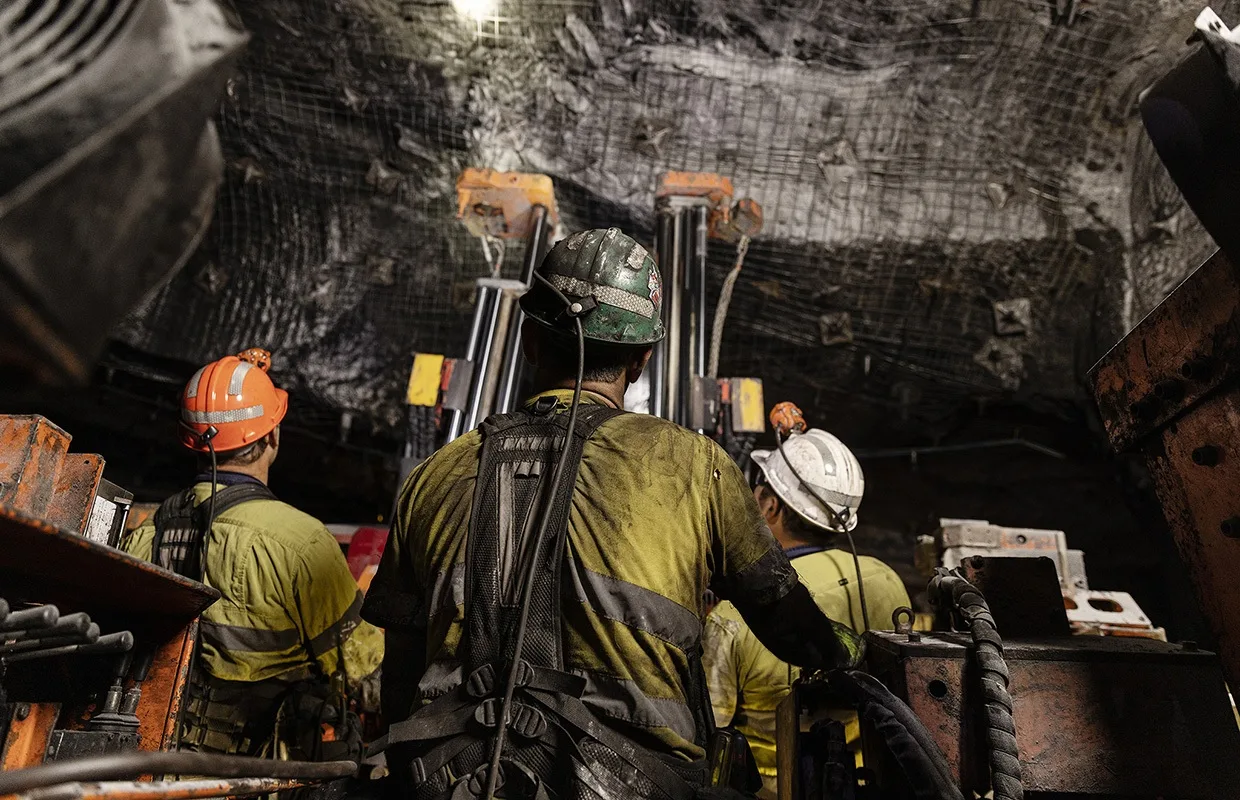
Argo’s focus on innovation extends beyond new technologies; it emphasises improving day-to-day operations and empowering employees to find better, safer, and more efficient ways to mine coal and operate processing plants.
With a big focus on promoting safer, more productive, and cost-effective mining practices, Argo sees the adoption of technology not as the solution, but as an enabler to help its people be their best and most effective in their roles.
As part of this effort, Argo is embarking on an AI journey utilising Talisman Technical to explore developing solutions that align with its goals, taking a coordinated approach and ensuring it is implemented in an employee-ready way.
“Three core questions drive innovation: Does it improve safety? Does it increase productivity? Does it reduce costs? If the answer to these questions is no, we will reconsider our approach,” Livingstone-Blevins asserts.
With future success largely determined by its people, Argo genuinely prioritises its employees, seeking to grow and develop talent whilst creating an environment that encourages career advancement.
“We’re a people business that mines coal; we look after employees so they see Argo as a career destination,” he considers.
“Being a private company is a distinct advantage, enabling nimble decision-making without the bureaucratic constraints often found in larger organisations. This flexibility delivers an environment where people can make decisions, driving learning and personal growth, which aids in the ongoing requirements to develop our future leaders and ensure they are ready for the challenges that exist in our operations and industry.”
Argo believes in differentiating itself by combining excellent business practices with coal mining, underscoring that these aspects are not mutually exclusive.
“There is a commitment to educating our people on the business side of mining, including financial literacy, cost management, and environmental oversight. By investing in employees, we aim to cultivate teams capable of managing significant operations and driving sustainable success,” Livingstone-Blevins explains.
“Our objective is to immerse our leaders in the complete value chain of our business, emphasising the fundamental nuance between being a coal mining operation and a business that mines coal. We prioritise high margins over sheer volume, aiming to educate and empower our teams to act as effective business managers, which will set us up for future success.”
STAFFING SOLUTIONS
The mining industry is currently facing significant challenges, particularly in terms of skills and cost management.
A major issue is the declining interest in mining education, largely influenced by the mainstream media’s negative portrayal of coal mining.
As a result, many universities have stopped offering undergraduate degrees in mining and mining engineering, leading to fewer graduates entering the field.
The situation has gradually worsened since the global financial crisis in 2008, during which companies reduced their investment in talent development due to economic instability.
An industry that was once seen as a career destination of choice now struggles with an ever-worsening skills shortage that threatens to impede the future growth needed to meet global coal supply requirements.
“In recent years, particularly since the rise of ESG concerns around 2020, interest from graduates has shifted towards more appealing commodities, such as copper, gold, and critical minerals, leaving the coal mining sector in need of skilled professionals.
“To overcome these challenges, the industry must take genuine steps to improve its talent development strategies rather than merely paying lip service to the importance of training and development,” Livingstone-Blevins tells us.
This includes creating effective mentorship programmes and diverse pathways for graduates, as well as exploring alternative skill sets that can be cultivated into traditional mining roles.
“Additionally, embracing technology, including AI, is crucial for bridging skill gaps and enhancing the industry’s capacity to thrive in the future.
“This shift will require a transformative approach to how the industry attracts and develops talent, ensuring it can meet the demands of the evolving market,” he divulges.
AN INDUSTRY TRANSFORMATION
Investing in employee development within an organisation is crucial for maintaining a robust workforce and ensuring continuity when key personnel leave.
Livingstone-Blevins believes the current external approach to talent acquisition has become unsustainable, with the industry in a cycle in which companies compete for the same limited talent.
“To counter the unsustainable approach for employees, companies must cultivate talent internally, taking workers from the frontline and preparing them to become future leaders and managers,” Livingstone-Blevins posits.
“Historically, organisations were very successful in this kind of internal development during the 1990s and early 2000s, but this practice has diminished over time, leaving a significant gap in the industry.”
Another pressing issue the industry is grappling with is the rising costs faced by mining companies due to inflationary factors.
“There is a need to optimise operations and enhance efficiency through technology and a renewed focus on productivity. Over the past decade, the industry has seen a steady decline in productivity, leading to a situation in which more personnel and equipment are required to achieve the same output levels as before.”
Addressing these challenges will be essential for the industry’s growth and sustainability moving forward.
“The current landscape of the commodity market has shifted dramatically, with cycles now occurring as frequently as every three to six months, compared to the historical pattern of three to five years,” Livingstone-Blevins reveals.
“This rapid fluctuation makes it challenging for companies to manage their operations to mimic the cycles, as there is insufficient time to adjust activities and cost bases between boom and downturn periods. Consequently, the industry must prioritise consistent and sustainable productivity and costs, with a particular focus on output per employee, echoing earlier practices.”
As cost pressures escalate and margins tighten, mining companies face significant challenges, particularly in coal markets.
Despite these pressures, the industry has not invested substantially in new mining operations over the past decade. This lack of investment has led to a developing deficit in metallurgical coal supply, especially as current mines reach the end of their operational lives in the coming decades.
Australia, which controls approximately 50 to 55 percent of the seaborne metallurgical coal market, is positioned crucially in this supply-demand dynamic.
“With existing mines depleting their resources, and with reduced productivity due to factors such as increased depth, technical complexity, and depleting skills, the industry faces a looming supply issue due to insufficient replacement coal coming online, which has been exacerbated over the years with complicated and uncertain approval processes.
“As a result, the future of coal supply appears increasingly precarious, underscoring the importance of strategic management and a focus on enhancing productivity within existing operations, whilst attracting investment for the establishment of replacement coal,” he implores.
A STRATEGIC ROADMAP
In the next 18 months, Argo’s primary focus will be on ensuring the safety and stability of its current operations, particularly as it works to stabilise the recently acquired Fitzroy assets.
“Within the Fitzroy-acquired operations, we are investing more than AUD$100 million a year over the next two years into equipment and infrastructure to ensure that the assets are set up for long-term sustainability,” Livingstone-Blevins sets out.
This reinvestment will enhance the company’s infrastructure and equipment, supporting long-term sustainable operations whilst allowing for future growth towards its goal of over 10 million t in market production.
Additionally, Argo will concentrate on integrating Bowen Coking Coal into its operations and the safe restart of the Burton Mine Complex, which is expected to commence in a few months and will produce up to 4 million t of run-of-mine (ROM) coal per annum.
Looking further ahead, whilst Argo stabilises its existing sites this year, it will shift focus towards internal growth projects in 2027, specifically developing the 12 Mile Project, Ironbark South, Broadlea, and Carborough Downs extensions.
These will strengthen the long-term assets within the company’s portfolio, particularly as it integrates the Burton Mine Complex, which is located within the critical 60-km strike length.
“Finally, we plan to build lasting relationships with our suppliers and customers, as these connections are essential for driving our growth in the years to come,” Livingstone-Blevins optimistically concludes.
Argo’s long-term success is fundamentally linked to the effectiveness and responsibility of its operations.
The company demonstrates a strong commitment to innovative and disciplined mining practices that enhance efficiency whilst prioritising the safety and well-being of its workforce.
This operating philosophy not only reflects the standards and behaviours guiding decision-making but also shapes the organisation’s culture and underpins its overall performance.
As Argo advances in the competitive coal mining industry, its dedication to sustainable practices and community empowerment sets a benchmark for others. With a clear vision and strategic foresight, the company is not only focused on the present but also committed to shaping a more sustainable future.
ARGO NATURAL RESOURCES PARTNERS

This company profile was produced by the editorial team at APAC Outlook, a publication within the Outlook Publishing global network of B2B industry magazines.
Outlook Publishing showcases organisations and leadership teams shaping sectors including manufacturing, mining, construction, healthcare, supply chains, food production, and sustainability.
APAC Outlook highlights organisations driving innovation, investment, and industry development across the Asia-Pacific region.