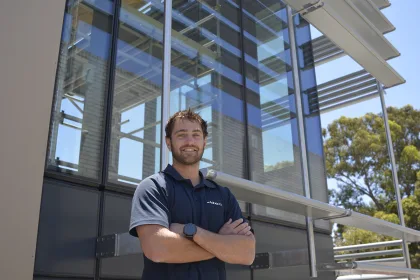





As the backbone of heavy industry in Central Queensland, Gladstone Area Water Board is leading the delivery of a Queensland Government investment in long-term water security, community development, and economic resilience. We speak with Darren Barlow, CEO, to learn more.
SECURING EVERY DROP
Having evolved significantly over the years, Australia’s bulk water sector is no longer about simply delivering a reliable water supply.
Today’s providers must plan for population growth, climate variability, changing industrial demand, and increasing expectations around sustainability and environmental stewardship.
As such, one of the biggest opportunities for those operating in this space is taking a longer-term approach to water security – something Gladstone Area Water Board (GAWB) has been doing since its inception in 1973.
“Because water is so crucial in our region, we cannot have our dam run out. In the last 50-odd years, we have never not supplied water,” opens Darren Barlow, CEO.
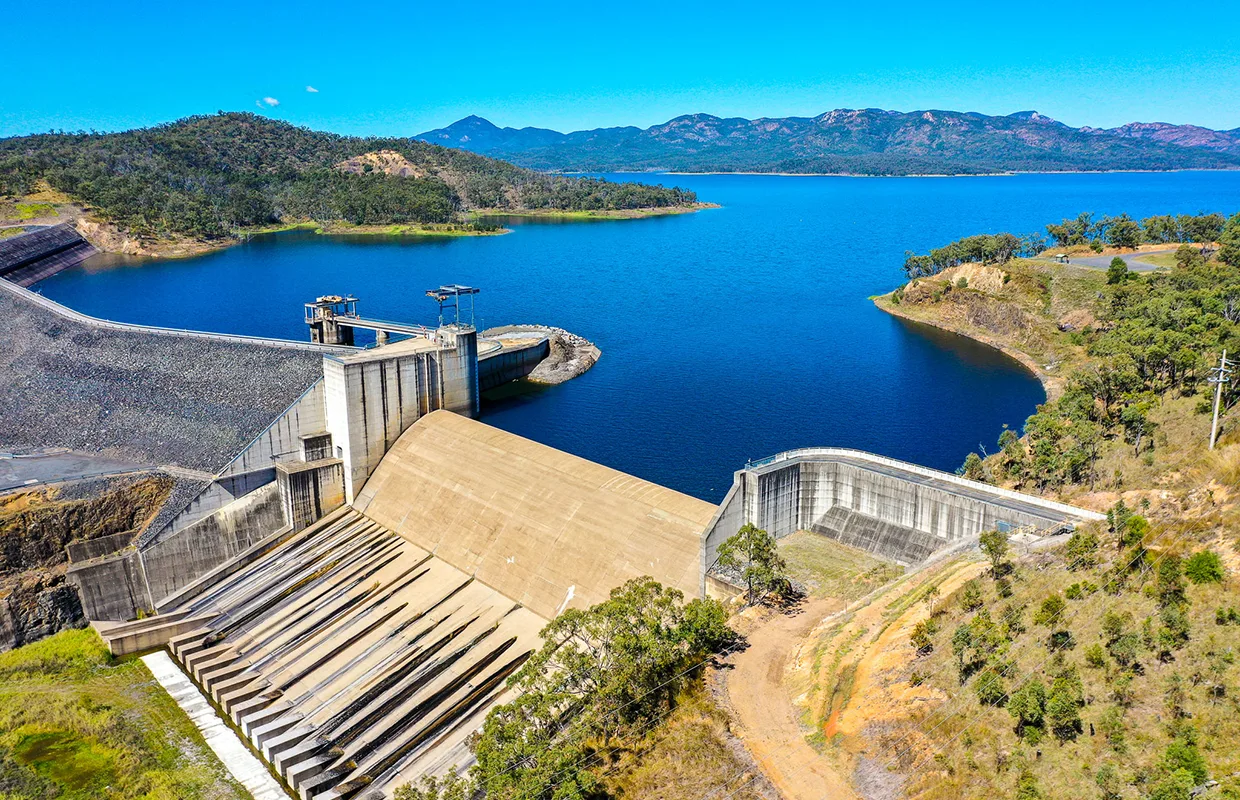
GAWB owns and operates the critical bulk water infrastructure which underpins industries, contributing more than AUD$6 billion annually to the Queensland economy. Its customers include Gladstone Regional Council, major industrial users, and local power generators.
“We’re a very different business because of our specific customer base and the economic value attached to our network,” Barlow insights.
“The development benefit and water security we provide is guaranteed – though this does mean we need to account for the additional spending required to keep our operation running without hiccups to reliability,” he adds.
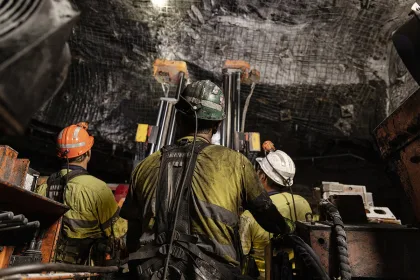
Therefore, the company supports industries which collectively provide more than 13,000 direct and indirect jobs across Central Queensland, alongside providing community facilities in the area that are free to use, particularly around its Awoonga Dam.
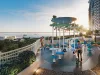
These include rail trails – shared paths for walking, cycling, and fitness built along the route of old unused railway lines – alongside barbecues, freshwater swimming areas, and playgrounds.
“For us, providing camping grounds, boating facilities, playgrounds, and recreational areas isn’t a cost – it’s part of our obligation to the community.
“We even stock the Awoonga Dam with around 1.15 million barramundi a year for the public to catch recreationally – making it Australia’s premier freshwater fishing location!” Barlow smiles.
Indeed, as expectations around local procurement, sustainability, and community engagement continue to grow, GAWB is on hand to deliver socioeconomic and environmental benefits – not just an engineering outcome.
HIGH RELIABILITY WATER
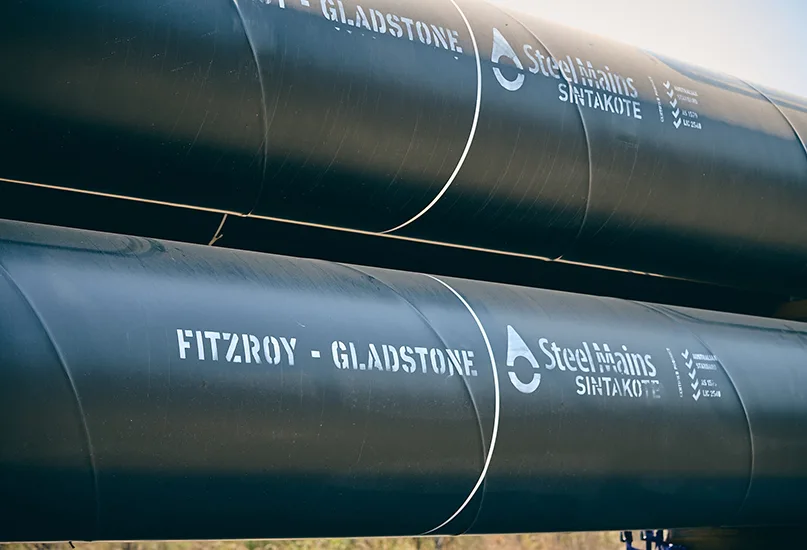
GAWB’s asset base includes the Awoonga Dam, water treatment facilities, reservoirs, and more than 300 kilometres (km) of pipeline, alongside the recent Fitzroy to Gladstone Pipeline (FGP) which has been designed to supplement existing water supply for water security purposes.
“An important differentiator for us is our need for absolute supply and higher reliability, irrespective of climatic and other operational issues,” Barlow explains.
This enables GAWB to support its high-stakes industrial clients, for whom an outage is not an option due to the major, often irreparable setbacks it would cause.
“We must provide constant, high-reliability water. We don’t have the opportunity of turning people off or saying we’ll fix the pipeline in two days; failure simply isn’t an option,” he urges.
With reliable water therefore fundamental to Gladstone’s economy, GAWB’s role is to ensure its customers and the community have access to secure and reliable water – both now and in the future.
GAWB’s focus on long-term water security is perfectly exemplified by FGP, which is in place to complement the Awoonga Dam and preserve storage levels during times of drought.
“The FGP has effectively drought-proofed the region, with independent analysis estimating delaying drought restrictions by 3.5 years because of the FGP generates approximately AUD$1.5 billion in direct customer economic benefits,” Barlow tells us.
With safe, resilient, and reliable water supply underpinning the region’s economy, the FGP safeguards existing industries and provides confidence for long-term investment decisions.
“We continue to invest in maintaining and improving our existing assets whilst planning for the region’s future water needs,” he adds.
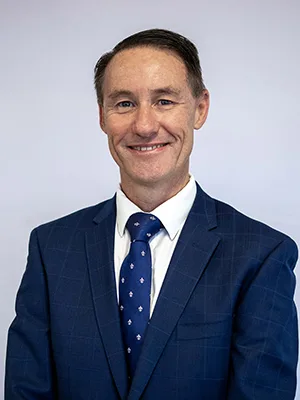
“An important differentiator for us is our need for absolute supply and higher reliability, irrespective of climatic and other operational issues”
Darren Barlow, CEO, Gladstone Area Water Board
LONG-TERM PLANNING
As a Queensland Government bulk water supply authority, GAWB works with regulators and industry stakeholders on matters relating to pricing, infrastructure planning, and bulk water management.
“We’re a highly regulated company that takes accountability very seriously. An independent regulator conducts a view of our water pricing every five years, and we are tested on our prudence and efficiency,” Barlow insights.
To remain ahead of the game not only in terms of pricing but also water security, GAWB’s approach to future strategy is crucial.
“A lot of people talk about long-term planning – we actually do it. We have an open mind and spend a lot of time asking what the future is going to look like,” he observes.
A great example of this is the FGP, which is ultimately a result of more than 20 years of planning, investigation, and engagement across government, industry, water users, technical experts, and broader stakeholders.
“This milestone project was not conceived overnight – the need for this pipeline and the additional water security it will bring was identified more than 20 years ago,” Barlow reveals.
“That’s why this project is so unique – it’s not a knee-jerk reaction to ‘we think we have a need’, it’s something that’s been well-thought out and meticulously planned over a number of years,” he highlights.
BEYOND INFRASTRUCTURE
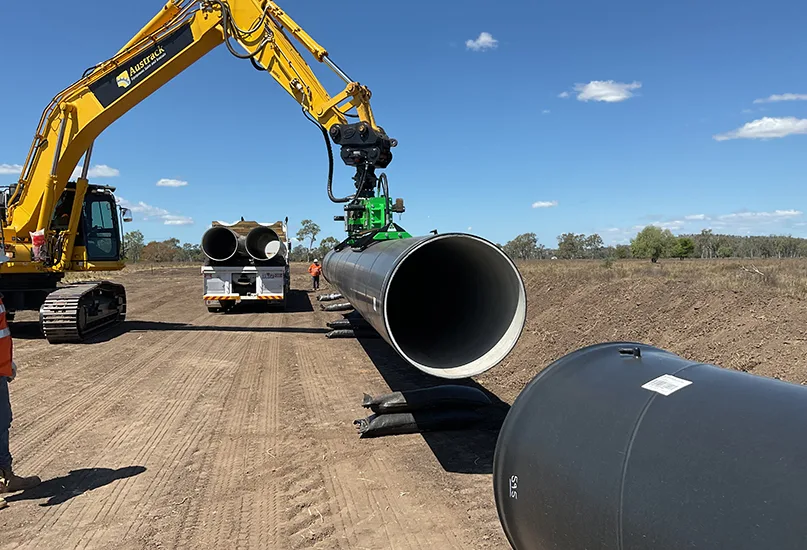
The AUD$983 million government-funded FGP project is the largest infrastructure investment ever undertaken by GAWB and one of Queensland’s most significant water security projects.
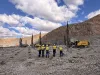
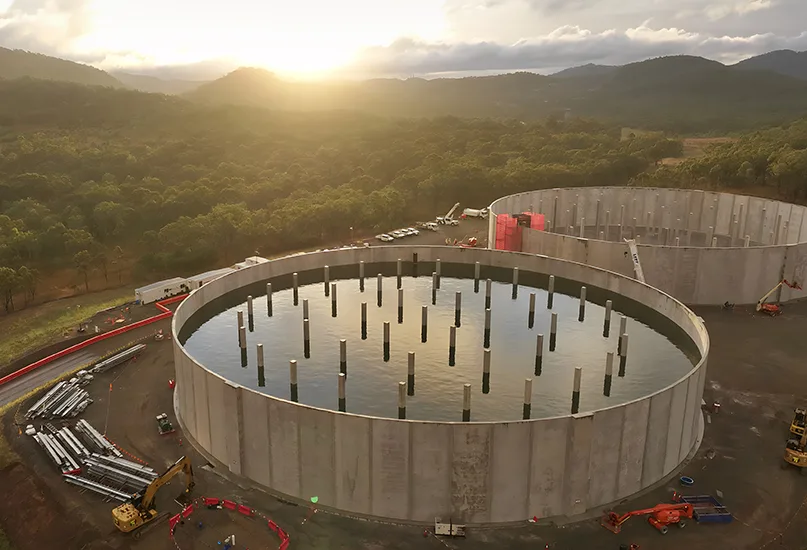
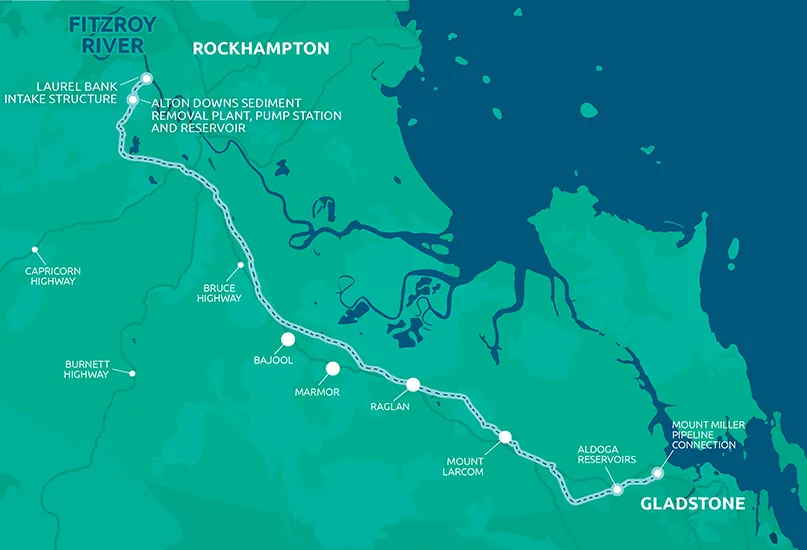
Connecting the Lower Fitzroy River to Gladstone’s water network, FGP includes the Laurel Bank intake structure, Alton Downs Sediment Removal Plant, and two 50-megalitre reservoirs at Aldoga.
Once the FGP is operational, water from the Boyne River (via the Awoonga Dam) and water from the Lower Fitzroy River (via the FGP) will be integrated into a single bulk water network.
The FGP will deliver up to 30 gigalitres of raw water each year, providing the region with a second source of supply and significantly strengthening long-term water security.
“For every litre of water we bring in from the north, we leave a litre of water in the dam. That’s how FGP is providing water security – it’s not about bringing in extra water to sell but preserving what we’ve already got,” Barlow insists.
Beyond infrastructure itself, the project has helped build regional capability by employing more than 400 local workers during peak construction, supporting 21 traineeships and delivering more than 78,300 hours of employment for First Nations workers.
“Part of our definition of ‘value for money’ is making sure we promote both economic and community development close to home,” he says.
Workforce welfare has also been a focus for GAWB, including its participation in MATES in Construction mental health and well-being programme and supporting local organisations, all of which demonstrate how major infrastructure can deliver broader socioeconomic value.
Recognising its ability to deliver benefits beyond critical infrastructure, the FGP won the Infrastructure Sustainability Council’s Excellence in Economic Outcomes Award and was Highly Commended in the Excellence in Social Outcomes category.
These are an official acknowledgement of GAWB’s ability to work with communities, Traditional Owners, landholders, and local businesses and create long-lasting economic benefits across Central Queensland.
“Infrastructure is measured not only by km of pipeline, but also the legacy it leaves. These awards recognise that broader impact,” Barlow outlines.
“Infrastructure is MEASURED NOT ONLY by km of pipeline, but ALSO the legacy it leaves”
Darren Barlow, CEO, Gladstone Area Water Board
INVESTING IN GROWTH
Looking to the future, GAWB’s immediate priority is successfully completing the commissioning of FGP and bringing the significant infrastructure that accompanies it into operation.
Naturally, this will include onboarding more clients to connect to the project.
“As an economic development-centred business, our role is to enable economic growth by providing the water security industry needs to invest, expand, and continue positioning Gladstone as one of Queensland’s major economic contributors,” Barlow emphasises.
This mindset extends all the way into the heart of the organisation, with executives and C-suite staff choosing to make their home in the region – both professionally and personally.
The company’s growing presence in the region will also enable it to continue to create opportunities beyond construction, including supporting local suppliers, engaging with schools, and attending community events.
“Our approach is to listen, build long-term relationships, and contribute in practical ways that reflect local priorities,” he adds.
Beyond that, GAWB’s focus remains on maintaining safe and resilient water services whilst investing in the infrastructure needed to support long-term regional growth.
“Ultimately, our role is to ensure water security is not a constraint on future economic development whilst continuing to manage our assets responsibly,” he passionately concludes.
GLADSTONE AREA WATER BOARD PARTNER

This company profile was produced by the editorial team at APAC Outlook, a publication within the Outlook Publishing global network of B2B industry magazines.
Outlook Publishing showcases organisations and leadership teams shaping sectors including manufacturing, mining, construction, healthcare, supply chains, food production, and sustainability.
APAC Outlook highlights organisations driving innovation, investment, and industry development across the Asia-Pacific region.