




With a strong focus on creating sustainable, essential real estate assets that drive growth across Vietnam and India, in addition to recent expansion into Europe, the LŌ-GOI Group is exceeding local expectations. Matthew Jackson, General Manager – North Vietnam, outlines the group’s remarkable progress since its entry into the Vietnam market in 2020 and recent rebranding during 2024.
INNOVATING ASIA’S INDUSTRIAL AND LOGISTICS INFRASTRUCTURE
Once an industry primarily focused on meeting the basic capacity needs of its occupiers, Vietnam’s construction sector is now progressing towards higher-quality, more sustainable, and internationally aligned development outcomes.
Expectations from occupiers around efficiency, governance, and long-term asset performance have risen sharply, with several shifts illustrating this evolution.
Namely, a noticeable move towards higher technical and regulatory standards have come into play, supported by Vietnam’s continued industrialisation and steady foreign investment.
“This shift to quality, which has been driven by increasingly sophisticated occupier requirements, is bringing local standards closer to global expectations and reshaping how projects are planned and executed,” introduces Matthew Jackson, General Manager – North Vietnam at the LŌ-GOI Group (LŌ-GOI) – a fully integrated real assets development group with a strong focus on high-quality construction and essential industrial and logistics infrastructure.
Rising demand for sustainable and energy efficient buildings, meanwhile, has seen Vietnam emerge as one of the fastest adopters of green industrial parks and high-performance buildings in Southeast Asia.
Meaningful improvement to national infrastructure supporting the industrial and logistics sector is also taking place, with investment in expressways, intermodal connectivity, seaport capacity, and airport upgrade projects underway – several of which LŌ-GOI is actively involved in.
Whilst some challenges persist, they also create opportunities for disciplined and responsible developers operating within a sector that is becoming more regulated, transparent, and closely aligned with international norms.
One such organisation is LŌ-GOI, whose thoughtful approach to design, consistent execution, and well-coordinated stakeholder management set it apart.
“I would consider the overall direction of Vietnam’s construction market to be more sophisticated, resilient, and internationally connected which, compared to over a decade ago, is markedly more advanced and future- ready,” Jackson insights.
Indeed, the country’s ambition for higher-quality development is becoming increasingly evident in policy, investor behaviour, and day-to-day construction practices, with a clearer shift towards investing in solutions that meet occupiers’ needs.
COMPREHENSIVE CAPABILITIES
Geographically, LŌ-GOI is active across key Vietnamese industrial corridors, particularly the northern growth belt spanning Bắc Ninh, Hải Dương, and the gateway to Hải Phòng Port, as well as strategic locations in the south with a strong focus on the greater Ho Chi Minh area.
Regionally, the group extends its presence in India and across multiple emerging and established hubs throughout Asia Pacific (APAC), supporting cross-border expansion.
LŌ-GOI is also increasing its presence in Europe and the Gulf Cooperation Council (GCC) region, allowing the group to support its broad customer base closer to their domestic markets.
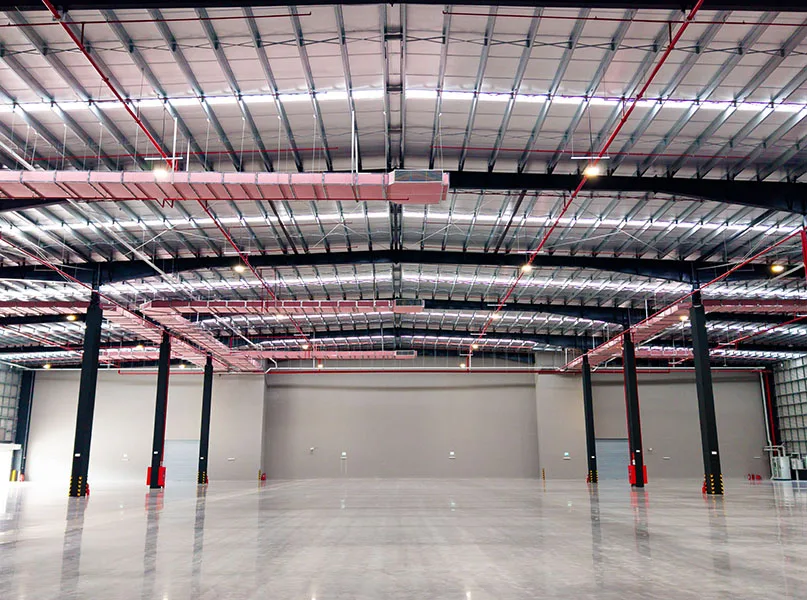
Within Vietnam, LŌ-GOI’s core capabilities include design and construction coordination for Grade A industrial and logistics facilities, such as hybrid solutions, occupier-ready (ready-built and built-to-suit) warehouses and factories, solar projects, and data centres, delivering tailored solutions for its occupier customers.
The group is also involved in the comprehensive delivery of industrial and logistics estates, including full infrastructure, utilities, and compliance frameworks that meet international standards.
“We also offer comprehensive operations support, including optimal asset and client management to ensure long-term performance, safety, and operational resilience,” Jackson explains.
Beyond construction, LŌ-GOI supports strategic planning and large-scale industrial and logistics ecosystem development, ensuring projects align with regional growth, logistics connectivity, and long-term sustainability pathways.
Its clients include multinational manufacturers, third-party logistics operators, and e-commerce fulfilment providers who require reliable, high-specification, and fully compliant facilities.
A LEAN, GREEN PROJECT
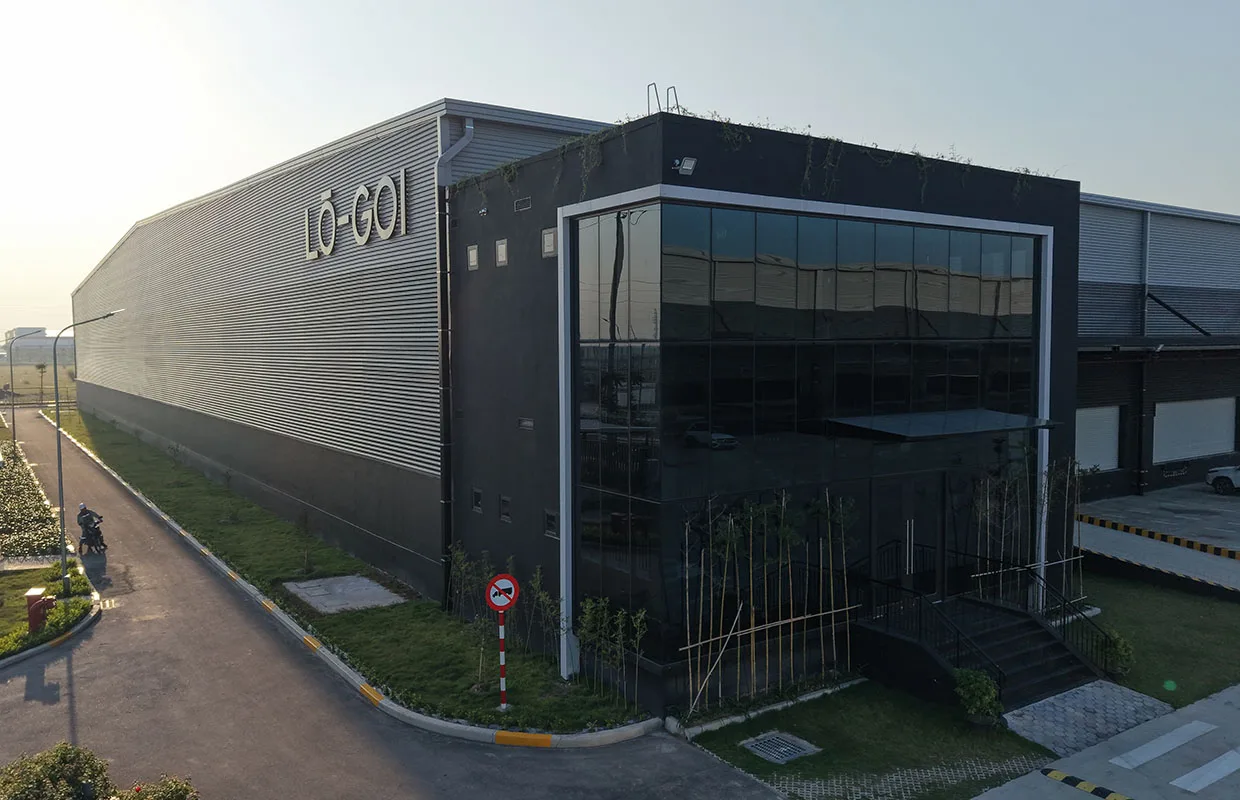
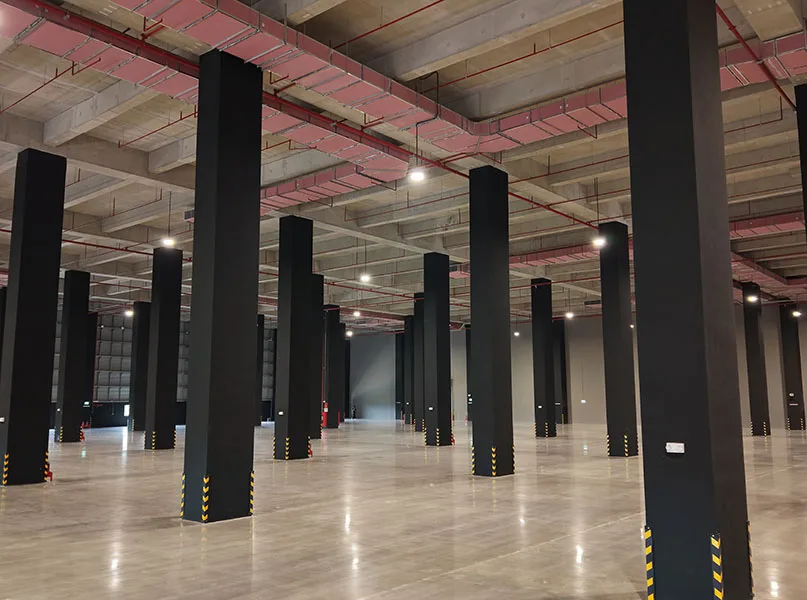
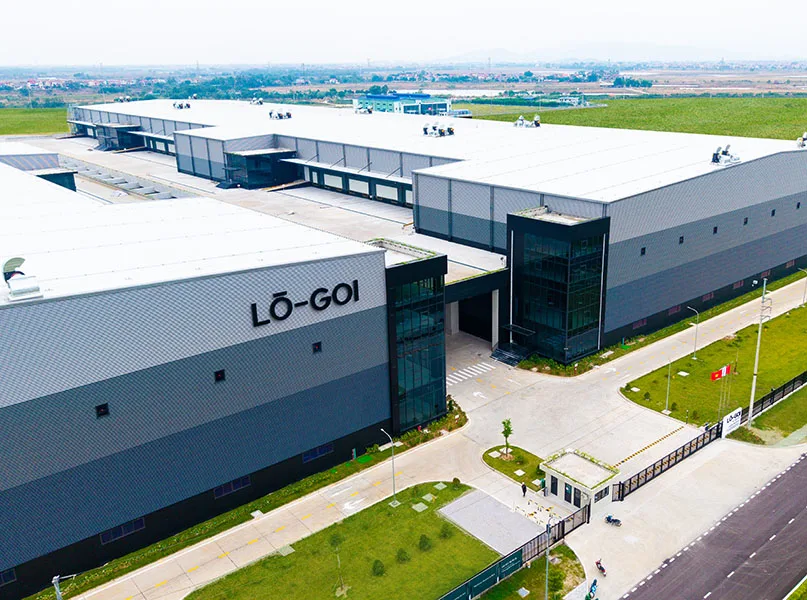
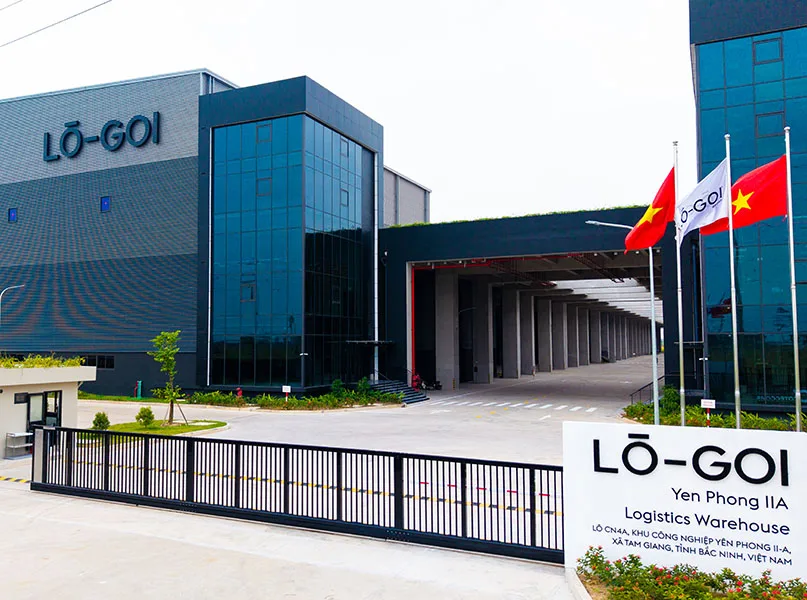
Strategically positioned in Bắc Ninh, one of Vietnam’s most established industrial provinces and part of the northern manufacturing corridor, Yên Phong is currently the group’s most representative development project, reflecting the new standards it aims to set in Vietnam’s modern industrial and logistics landscape.
The site benefits from efficient connectivity to Nội Bài International Airport, major expressways, and key logistics routes, making it well-situated for time-sensitive, air freight-driven operations.
“This is particularly important for high-tech and high-value supply chains such as semiconductors and precision electronics,” Jackson tells us.
Developed in line with international engineering and safety benchmarks with an emphasis on modern building systems, durability, and operational efficiency, the two-storey warehouse aligns with the increasing need for land use optimisation in Northern Vietnam’s maturing industrial zones.
Currently standing out as the greenest asset in LŌ-GOI’s growing portfolio, the introduction of fruit orchards and soft landscape zones have helped to create a cooler microenvironment, reducing heat gain from hard surfaces and contributing to on-site biodiversity.
“Fruit orchards, covered and secure motorbike parking, optimised natural lighting and ventilation, and improved washroom facilities support workplace satisfaction amongst our occupier customer team members,” he prides.
Whilst green coverage ratios vary across industrial projects, LŌ-GOI Yên Phong’s green proportion is above the common industry averages typically seen in northern industrial developments.
These features support the project’s trajectory towards environmental, social, and governance (ESG)-aligned and Leadership in Energy and Environmental Design (LEED)-oriented development, with projects achieving LEED Gold certification on both design and construction.
STRATEGICALLY POSITIONED PORTFOLIO
Northern Vietnam’s logistics ecosystem is anchored by major public infrastructure nodes, including a deep-water seaport corridor between Hải Phòng and Quảng Ninh that can accommodate the region’s largest vessels and handles a significant share of northern cargo throughput.
Public masterplanning continues to position this coastal gateway as a long-term driver of Northern Vietnam’s manufacturing and export growth.
“To support its long-term trajectory, the system needs compliant, efficient, and ready-to-operate industrial space; this is where LŌ-GOI’s expertise comes in,” Jackson surmises.
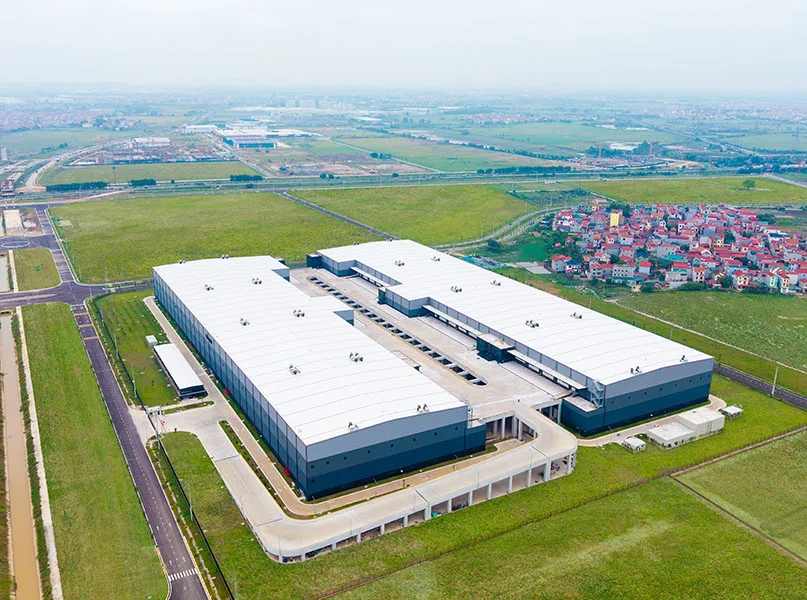
LŌ-GOI’s Hưng Yên project is positioned as an inland consolidation centre, around 35 minutes to Hà Nội’s central business district (CBD), supporting inventory staging and domestic distribution with direct expressway access towards the coastal port system.
LŌ-GOI’s Yên Phong project, located in the Bac Ninh province, anchors the portfolio within Northern Vietnam’s manufacturing core – 15 minutes to Nội Bài International Airport (HAN) and 35 minutes to Hà Nội’s CBD – with road connectivity eastward towards key coastal gateways and Quảng Ninh, supporting export-oriented logistics and supply chain flexibility.
Within this broader context, logistics and industrial developments across the Red River Delta are increasingly functioning as inland extensions of port capacity.
Efficient road connectivity enables freight to be consolidated inland, reducing pressure on coastal areas whilst improving inventory management, distribution efficiency, and overall supply chain resilience.
In parallel, intermodal transportation hubs are increasingly expected to reduce logistics costs and emissions by shifting a meaningful share of freight to rail, improving inventory efficiency through storage and distribution solutions, and reducing reliance on long-haul trucking by strengthening integration between port operations and inland supply chain networks.
This combination of assets supports a coordinated portfolio ecosystem, pairing inland consolidation with manufacturing-adjacent logistics and providing multiple routing options towards coastal gateways and emerging portal hubs in Quảng Ninh.
As the second phase of capacity build-out is planned, this portfolio positioning is expected to remain relevant to the region’s evolving occupier requirements and long-term throughput growth across Northern Vietnam.
SOCIALLY RESPONSIBLE AND SUSTAINABLE
Intentionally shaped to integrate with Vietnam’s local environment and cultural context, LŌ-GOI’s developments are adapted to reflect how communities live, work, and grow.
To respect local land use and environmental patterns, the group prioritises site layouts that retain natural drainage lines, enhance landscape buffers, and support biodiversity.
“This ensures projects sit comfortably within Vietnam’s climate and ecological rhythms rather than disrupting them,” Jackson reflects.
LŌ-GOI’s deep respect for local customs – from traffic circulation to community interfaces – means it is able to create industrial and logistics environments that feel familiar, intuitive, and accessible to the surrounding community.
Focused on infrastructure that uplifts the wider ecosystem, it is improving connectivity, enabling supply-chain growth, and supporting local employment.
“This ensures our developments contribute to long-term socioeconomic progress in the regions where we operate,” he assures.
“Overall, our aim is to build industrial assets that are not only technically advanced but also grounded in Vietnam’s environmental realities and cultural identity.”
Equally committed to global sustainability goals, LŌ-GOI has partnered with i-Renewable Energy Vietnam (iREV), a subsidiary of ITOCHU Corporation, to deploy renewable energy generation facilities integrated with advanced energy storage systems across its owned and managed real estate portfolio in Vietnam.
This initiative, led by LŌ-GOI’s Renewable Infrastructure division, will support the reduction and, ultimately, elimination of LŌ-GOI’s Scope 2 emissions in line with its net zero roadmap.
“Our Renewable Infrastructure division provides renewable power generation and storage, carbon offset, and e-mobility investment solutions to ensure the transition to a genuine carbon-neutral future for our portfolio and operations,” Jackson says.

“Overall, our aim is to build industrial assets that are not only technically advanced but also grounded in Vietnam’s environmental realities and cultural identity”
Matthew Jackson, General Manager – North Vietnam, LŌ-GOI Group
AHEAD OF THE CURVE
With ESG at the heart of LŌ-GOI’s business strategy, it is proud to be contributing to eight of the 17 UN Sustainable Development Goals (SDGs).
This year, the group spent a considerable amount of time improving its publicly available ESG policy and setting its net zero roadmap.
Whilst its overall goal is to become carbon neutral by 2035, it believes that it can achieve this goal as early as 2033.
This is supported by brand-new developments leveraging industry and carbon efficiency best practices, alongside LŌ-GOI’s in-house Renewable Infrastructure division.
In 2026, the group will begin its green business activities which will have a positive social and environmental impact and improve the lives of thousands, with some public announcements anticipated in the coming months.
LŌ-GOI also plans to complete its corporate alignment with international sustainability reporting practices, adhering to the Global Reporting Initiative (GRI).
Elsewhere, the group will strengthen its green development standards as it continues to integrate higher environmental benchmarks across design, construction, and infrastructure.
“From energy efficiency and renewable integration to water, waste, and landscape management, the aim is to make every new project measurable greener than the last,” Jackson reveals.
Through partnerships with the likes of iREV and its own renewable platform, LŌ-GOI is scaling renewable infrastructure across its portfolio.
“We plan to expand clean energy adoption across industrial assets, supporting tenants in meeting rising ESG expectations whilst contributing to Vietnam’s wider energy transition goals,” he adds.
GLOBAL PRESENCE
Looking ahead, LŌ-GOI plans to broaden its APAC footprint beyond Vietnam and India into key strategic markets to support its customers, as well as along key trade corridors in the Middle East and Europe.
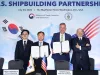
In order to support its expansion efforts, it has recently entered into a 50:50 joint venture agreement to grow into the European market alongside France’s GROUPE IDEC – a key European developer, designer, builder, investor, and creator of energy solutions for industrial and logistics real estate projects.
The initial fund will invest up to €400 million in equity – representing up to €1.2 billion of total investment – and will be dedicated to the development of logistics and industrial projects across France.
“This will enable the creation of a large-scale French real estate portfolio jointly controlled by both partners, with a view to expand into other key European markets,” Jackson excites.
The fund will be structured around four core pillars – supporting industrial and logistics sovereignty, advancing the energy transition, promoting sustainable growth, and creating employment opportunities.
Alongside this, the two groups intend to launch a second fund focused solely on data centres, further supporting the expansion of critical digital infrastructure across France.
“Our unique approach is rooted in a deep understanding of local markets, cultivated through years of organic platform-building from the ground up”
Matthew Jackson, General Manager – North Vietnam, LŌ-GOI Group
TRANSFORMATIVE SOLUTIONS
Having forged a reputation for excellence across Asia and beyond, the future is bright for LŌ-GOI.
“Our unique approach is rooted in a deep understanding of local markets, cultivated through years of organic platform-building from the ground up,” Jackson sets out.
By combining local expertise with regional insight, LŌ-GOI ensures seamless execution and delivers exceptional results for partners and stakeholders.
With sustainability and innovation at the core of the group’s mission, it integrates renewable energy solutions, carbon reduction strategies, and green building standards into projects.
In addition, by leveraging advancements in digital infrastructure, automation, and artificial intelligence (AI), LŌ-GOI remains ahead of the curve in a fast-evolving industry landscape.
India and Vietnam remain central to the group’s strategic focus, benefitting from robust demographic and economic trends, modernisation efforts, and increasing demand for global-standard infrastructure.
LŌ-GOI’s efforts to expand into Europe, the Middle East, and beyond, meanwhile, set the tone for the group’s global presence in the future.
“By aligning these opportunities with our expertise, we create transformative solutions that meet the needs of dynamic markets and deliver long-term value for our partners,” Jackson passionately concludes.