




Dedicated to expanding safe water accessibility to Papua New Guinea’s urban population, Water PNG Ltd is a proud industry stalwart combining technical capability with strong public service. We revisit the company with James Young, CEO.
SAFE WATER AND SANITATION SERVICES
Established to rationalise the provision of water supply and sanitation in the urban areas of Papua New Guinea (PNG), Water PNG Ltd (WPNG) has a long, proud history of caring for people, communities, and the surrounding regions with water services that are reliable and of the highest quality.
Prior to the company’s establishment in 1987, the water sector in the country was seriously fragmented, resulting in poor service delivery and no cost recovery. To address this, the National Water Supply and Sewerage (NWSS) Act 1986 was passed, and WPNG was established, initially as The Water Board.
Following this formation, the company underwent further name changes to PNG Waterboard and eventually Water PNG in December 2010 at the Gateway Hotel in Port Moresby. In March 2017, the company was corporatised and adopted its current title.
Today, WPNG works towards its mission of being the leading provider of safe water and sanitation services in PNG.
“We’re the national provider of water supply and sanitation services across urban areas of the country. With a workforce of over 800 employees and operations spanning more than 20 centres nationwide, we are responsible for the planning, delivery, and management of water supply and sewerage systems,” introduces James Young, CEO.
“We also continue to expand our footprint with a number of growth initiatives in the pipeline aimed at extending services to additional provincial and district centres. Through this continued expansion, we are strengthening access and improving service delivery across PNG.”
COMMITMENT TO PUBLIC SERVICE
The NWSS Act not only dictated responsibility for the development of the water supply and sanitation sector throughout the country, but also empowered WPNG to declare nationally administered water supplies and sewerage facilities, regulate the operations of water supply and sewerage systems run by other organisations or agencies, and set water supply and sewerage tariffs.
Now approaching its 40th anniversary this year, WPNG has come a long way in providing water and sanitation services to residents.
“The energy and utilities sector across PNG remains both challenging and highly rewarding. Whilst progress has been made, access to safe water and sanitation continues to be a critical development priority,” notes Young.
The organisation’s corporate governance framework and policy are formulated by its board of directors and management team in accordance with the functions stipulated in the NWSS Act and government directives.
This allows WPNG to work towards its corporate goals of performing tasks within acceptable industry standards and ensuring the provision of safe and sustainable water and sanitation services on an equitable basis.
“The sector is evolving to meet increasing demand driven by population growth and urbanisation, whilst also responding to sustainability and resilience challenges. It remains an exciting industry to be a part of, given the direct impact it has on public health, economic development, and quality of life,” Young furthers.
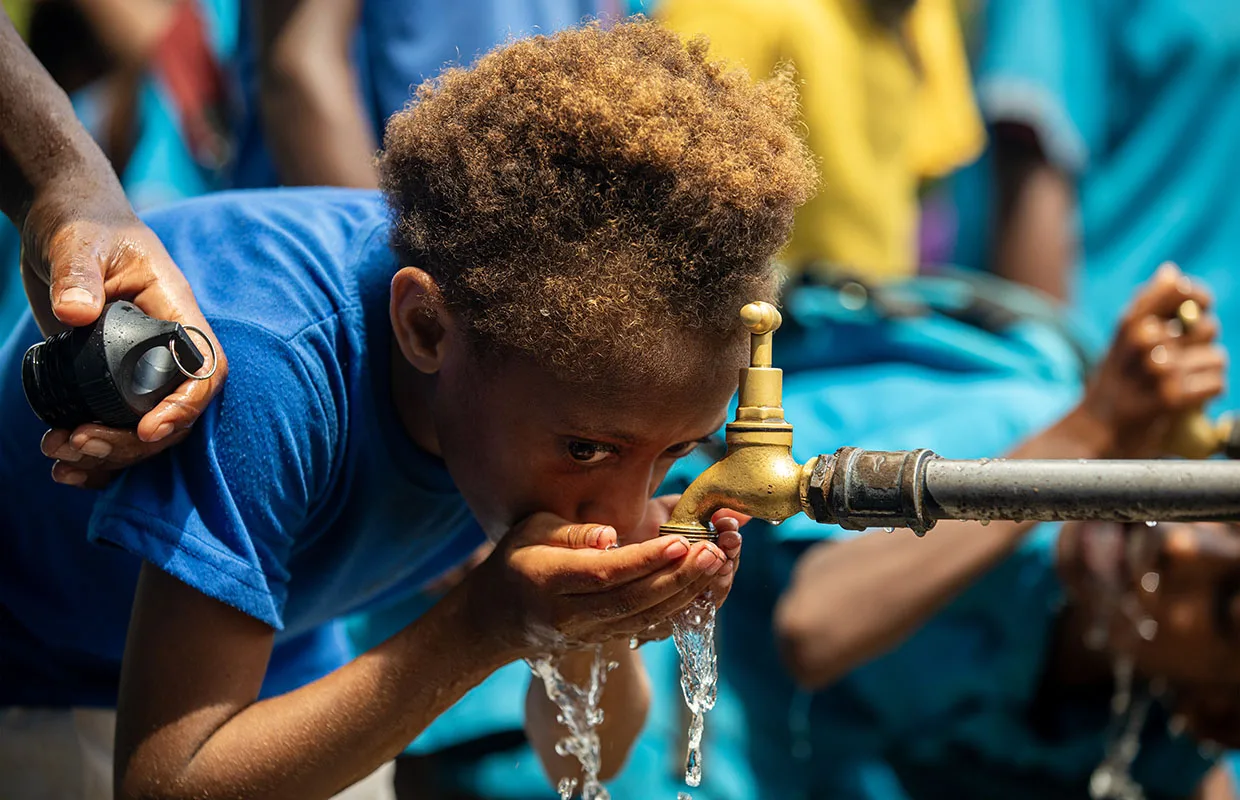
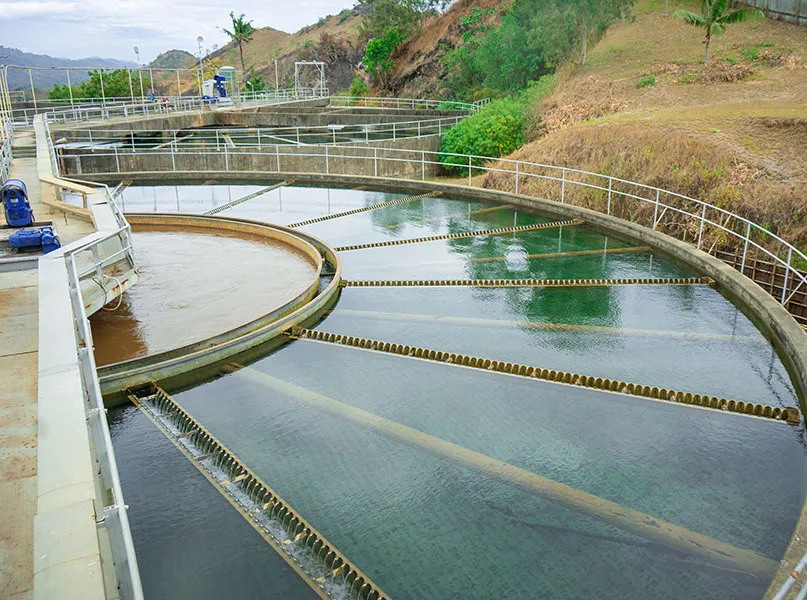
Specifically, for water treatment services, WPNG provides over 100 million litres of treated water every day to the residents of the 20+ centres within its remit.
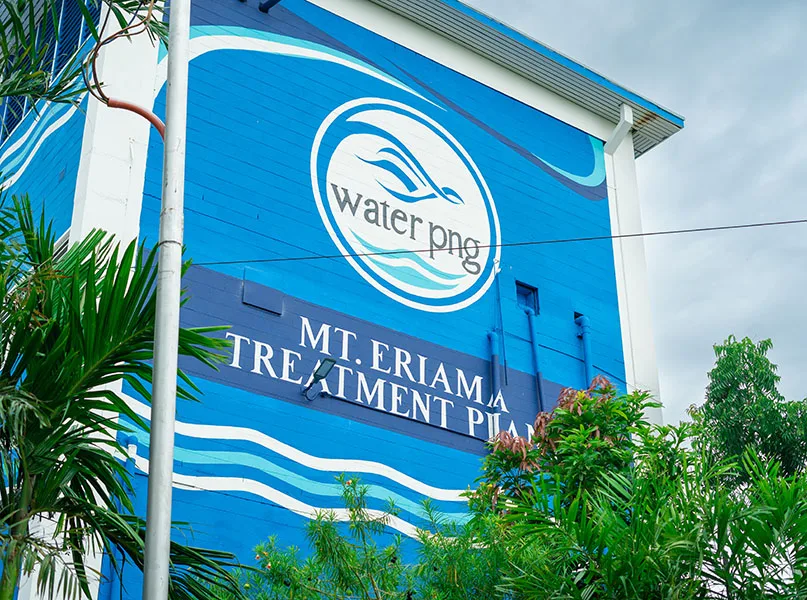
Water required to meet each of the township’s demands is drawn from local rivers, springs, and groundwater catchments, which is then treated at each location’s local water treatment plants.
SAFELY SERVING PNG
Understandably, water supply and sanitation services play a crucial role in any nation’s economic standing. Water is more than just a utility; it’s a topic where political and societal priorities merge.
This passion for creating something better for future generations is part of what inspired Young to get into this ever-important industry.
“A strong commitment to public service and infrastructure development has shaped my career. The utilities sector – particularly water and sanitation – is unique in that it directly touches people’s lives. That sense of purpose has been a key driver throughout my journey, and it continues to motivate my work today,” he enthuses.
Currently, in the face of limited financial resources with which to pursue economic development, the PNG government has steadily moved towards reducing the amount of subsidy it provides to the sector by requiring consumers to pay for the costs of providing water supply and sewerage services, especially in larger urban areas.
WPNG continues to work hard to not only meet its internal goals and external expectations, but also to expand safe water accessibility to approximately 75 percent of PNG’s urban population.
“Our strength lies in our national mandate and ability to deliver essential services across diverse and often challenging environments. We combine technical capability with a strong public service focus to ensure safe, reliable, and sustainable water services,” insights Young.
One such example of technical innovation with public service is the company’s dedication to water quality.
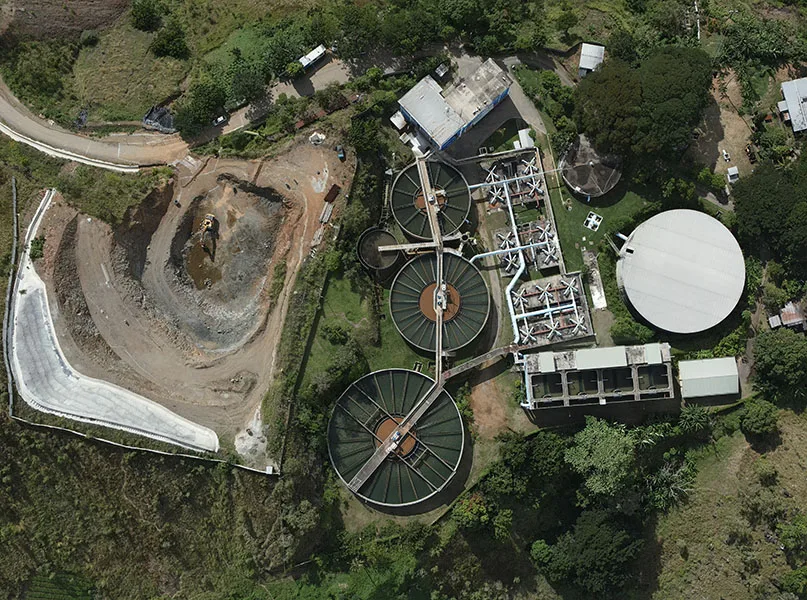
The quality of water for consumers is elevated through physical, chemical, and microbiological analysis of water samples from intake sources, water treatment plants, service reservoirs, and selected areas within the water distribution network in each of the 20+ centres where WPNG is present.
PREMIUM WATER SERVICES
WPNG’s goals are to achieve operational sustainability, ensure standard compliance, and meet community obligations.
The organisation prides itself on clearly understanding the needs of its consumers, offering the safest drinking water and wastewater treatments.
It uses facilities built from its nearly 40 years’ worth of hands-on experience in the industry. In addition to water and sanitation supply, WPNG has the ability to design, install, maintain, and in specific cases, operate premium water supply and wastewater treatment systems.
“Beyond supply, we deliver end-to-end solutions across the full infrastructure lifecycle – from design and installation through to long-term operations and maintenance.

“This integrated approach allows us to maintain high standards of quality, efficiency, and compliance, whilst ensuring that systems remain reliable and sustainable in even the most challenging environments,” Young dictates.
Specifically, for sewerage, the company maintains systems in more than 20 centres, including the capital Lae, Mount Hagen, Madang, Popondetta, Kimbe, Alotau, and Kundiawa.
Sewerage plants treat the wastewater that comes from domestic, commercial, and industrial sources. The collection, treatment, and disposal of sewage is an integral part of WPNG’s operations.
With the greatest volume of wastewater coming from toilets and showers, 99.7 percent of sewage is water, whilst the rest is dissolved and suspended matter. These components must then undergo a treatment process so that when finally disposed of, they are not harmful to the natural ecosystem or residents.
“Our mission is to be the leading provider of safe, reliable, and affordable water and sanitation services in PNG. We remain focused on expanding access whilst ensuring long-term sustainability and operational excellence,” details Young.
SUPPORTING NATIONAL DEVELOPMENT
A crucial area of focus for WPNG is its provision of safe and sustainable water and sanitation services on an equitable basis.
“We are focused on delivering services in line with recognised industry and regulatory standards, whilst strengthening reliability and expanding access across our service areas,” Young expands.
“At the same time, we are formalising our community service obligations to ensure service delivery to underserved communities is both equitable and sustainably funded, allowing us to balance our social mandate with long-term financial viability.”
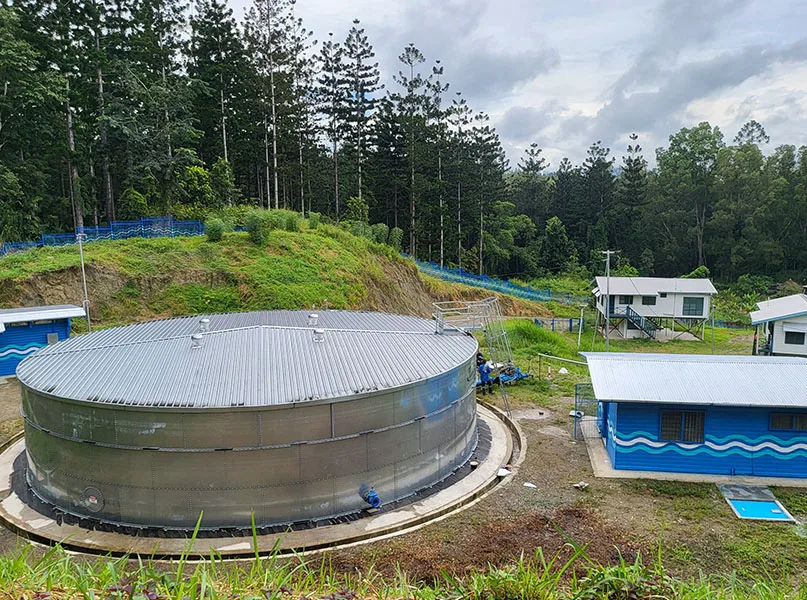
WPNG’s efforts in achieving these mandates can be directly seen in some of its more recent projects and investments, such as the Kainantu Water Supply Project, Kundiawa Packaged Wastewater Treatment Plant (PWWTP) Civil Works, and more.
“We continue to invest in infrastructure that strengthens service delivery and supports national development. Key initiatives include the construction of the WPNG head office, treatment plant upgrades, environmental compliance projects, and network expansion programmes, such as the Bulolo Water Supply Project,” expands Young.
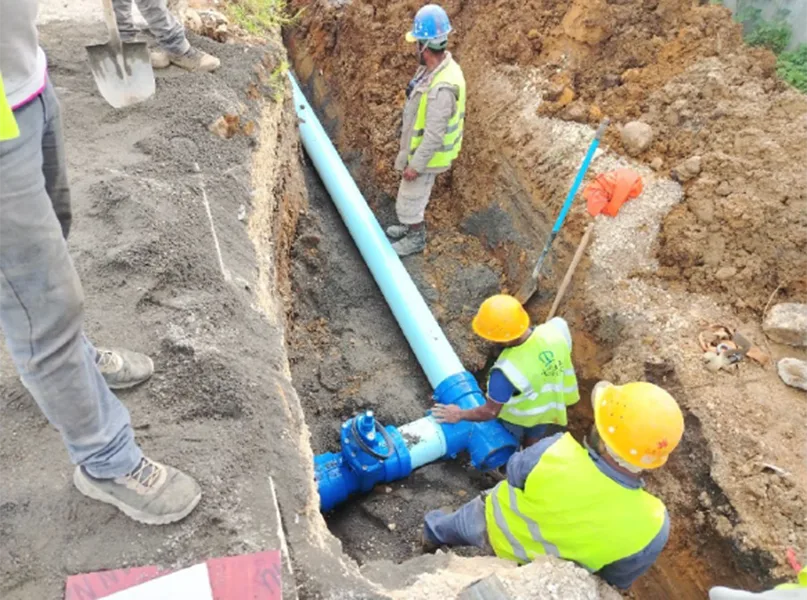
Additionally, the company has embarked on the Lae Biscuit Water Supply Pipeline Extension, in which, through a capital advance agreement, it laid 1,400 metres of reticulation main and associated works to address low pressure and supply water to new industrial customers.
Having taken place in Lae, this project successfully supplied water to seven new industrial clients located within the capital, alongside addressing the low pressure that was experienced by Lae Biscuit’s existing factory.
In parallel, Water PNG worked on the Yangoru Water Supply Project in the East Sepik Province. The goal of this initiative was to provide potable drinking water to the district township and nearby communities, totalling approximately 3,000 people, which was completed in alignment with the company’s vision and mission.
“These investments are a direct reflection of WPNG’s commitment to delivering resilient, future-focused infrastructure,” Young prides.
LONG-TERM ECONOMIC DEVELOPMENT
The Kundiawa PWWTP Civil Works, which WPNG undertook in the Simbu Province, were significant to the community as it ensured sewerage effluent met regulatory and environmental guidelines.
“For this project, we undertook a critical upgrade of the reticulation system through the replacement of the existing pipeline with a 200-millimetre diameter line. This investment has improved network capacity and operational efficiency, enabling the now fully operational treatment plant to deliver a more stable and consistent water supply to the township,” insights Young.
The upgrade represents an important step in supporting urban growth and improving service reliability for the community – key pillars for WPNG.
Equally, the company engaged in the Kainantu Water Supply Project, where the objective was to provide potable drinking water to the district town and nearby villages comprising over 8,000 citizens.
“In Kainantu, we have prioritised the restoration and expansion of supply capacity. The refurbishment of the existing bore successfully reinstated reliable water delivery to the town, stabilising supply in the immediate term,” states Young.
“In parallel, the drilling of a new bore reflects our proactive approach to future demand management. Once equipped and brought into operation, this additional source will further strengthen system resilience and provide greater flexibility in meeting the needs of a growing population.”
These various projects are a part of WPNG’s broader strategic agenda to modernise infrastructure, reduce service disruptions, and build resilient water systems that can support long-term economic and social development.
Through targeted investments such as these, the company is reinforcing its commitment to delivering safe, dependable, and sustainable water and sanitation services nationwide.
ENABLING HEALTHIER COMMUNITIES
Water PNG’s motto, ‘Connect, Inform, Educate’, is not just a tag line, but the roadmap the company follows each day to motivate the global pump industry, drive leadership, and create future leaders in the industry it is passionate about.
The company creates connections for pump professionals by providing them with a platform to share knowledge and experience.
“We prioritise collaboration and knowledge sharing across the sector. Our approach supports industry engagement, promotes best practices, and contributes to building long-term capacity,” Young expands.
This gives professionals within the industry a place to connect with each other and easily access best practices and standards. Not only does this help WPNG continue to develop within the ever-changing climate, but it also allows the entire sector to come together and collectively grow for the betterment of all.
Alongside assisting the development of industry professionals, the company recognises the critical importance team members play in its day-to-day success, working to empower and highlight the contributions they make.
“Our staff are central to our success. We are committed to creating a supportive environment that encourages growth, recognises performance, and enables our team to contribute meaningfully to the organisation,” Young affirms.
IMPROVING LIVES FOR THE BETTER
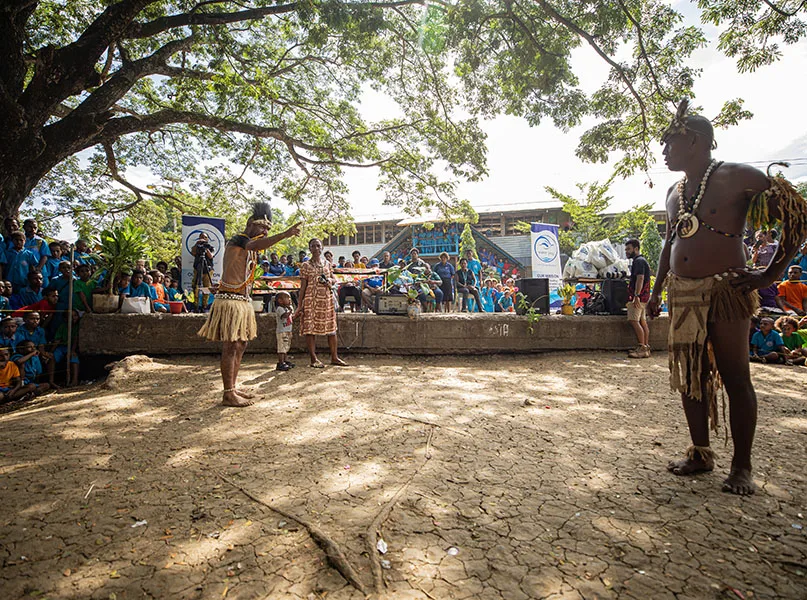
Integral to Water PNG’s core DNA is its work towards developing socially responsible practices for PNG communities and residents.
“Our work directly contributes to national development by improving access to safe water and sanitation. This supports healthier communities, reduces waterborne diseases, and strengthens socioeconomic outcomes across the country,” explains Young.
As the company continues to look ahead towards a future where water accessibility is equitable, sustainable, and safe, it is using its four decades of industry leadership and experience to pave the way and positively influence public health, economic development, and quality of life for all.
“Our main focus remains on expanding access, strengthening infrastructure, improving operational efficiency, and ensuring services are delivered sustainably and equitably,” Young asserts.
WPNG will not only stay true to its original doctrine of rationalising the provision of water supply and sanitation in the urban areas of PNG, but also adhere to its corporate values and goals in order to uplift the entire community as one.
Water is one of the most essential necessities for life, and its management is critical for ensuring residential, agricultural, and industrial processes function smoothly and reliably.
“WPNG remains committed to delivering essential services that improve lives and support PNG’s long-term development,” concludes Young.
This company profile was produced by the editorial team at APAC Outlook, a publication within the Outlook Publishing global network of B2B industry magazines.
Outlook Publishing showcases organisations and leadership teams shaping sectors including manufacturing, mining, construction, healthcare, supply chains, food production, and sustainability.
APAC Outlook highlights organisations driving innovation, investment, and industry development across the Asia-Pacific region.