



Navigating the intricate web of intra-Asian trade, nations are leveraging their unique gastronomic heritage to foster collaboration and innovation in the food and beverage industry, creating a vibrant marketplace that champions sustainability and cultural exchange.
A CULINARY CONNECTION FROM DUMPLINGS TO DEALS
Over half of the global population resides in Asia, making it a bustling hub of activity and commerce and the world’s largest food and beverage market, both in terms of overall value and sheer volume.
As powerhouses of palatable plates, countries like China, India, and Japan play pivotal roles, whilst the diverse nations of Southeast Asia also make substantial contributions.
As such, the intra-Asian food and beverage industry is a vast and dynamic market, driven by a variety of consumer preferences, cutting-edge technological advancements, and robust economic growth.
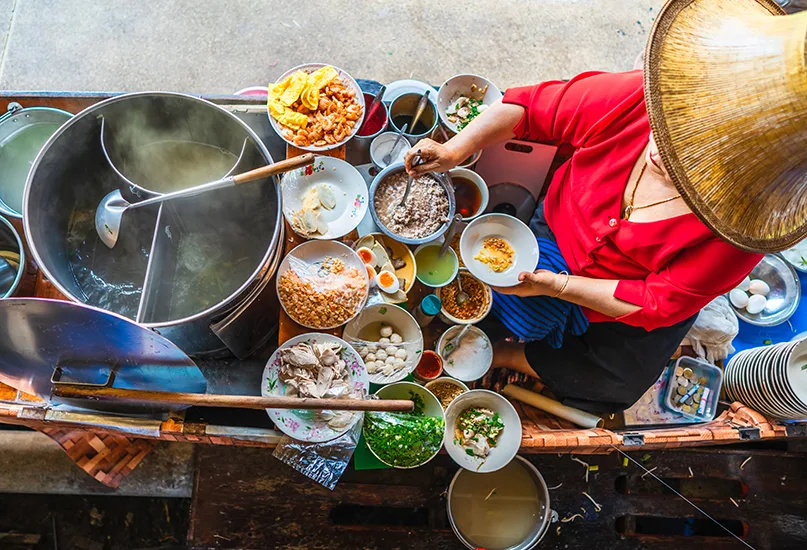
Indeed, the culinary landscape is rapidly evolving, featuring an intriguing blend of traditional street food vendors and innovative, artificial intelligence (AI)-powered cloud kitchens.
A notable trend in this sector is the rising demand for sustainable products, as consumers become increasingly health-conscious and actively seek plant-based options that reflect their values.
Additionally, there is a measurable shift towards embracing local gastronomy, with a strong emphasis on environmentally and socially responsible practices that resonate with today’s conscientious consumers.
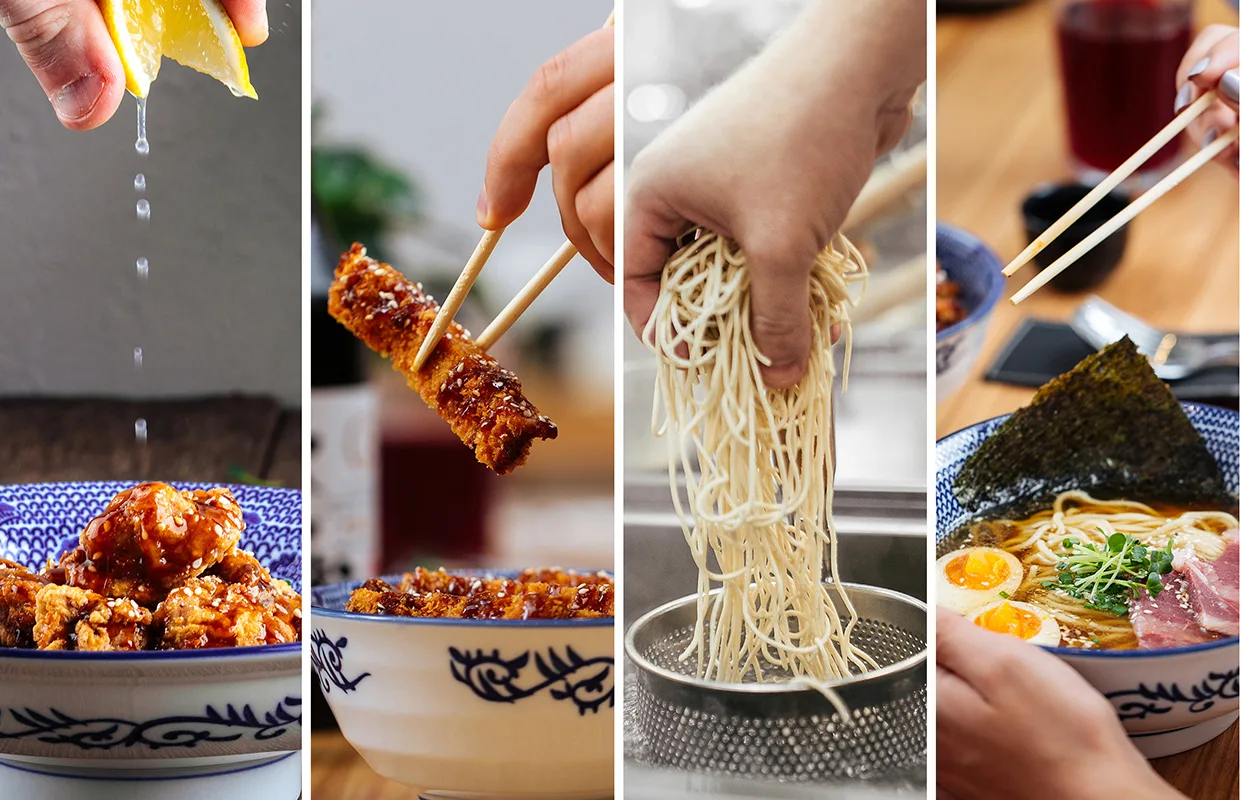
Certain factors contribute to the appeal of Asian cuisine. For example, it features a vibrant mix of traditional elements and innovative techniques, resulting in street-food-inspired dishes that are rich in bold flavours and made with high-quality, authentic ingredients – truly capturing the essence of the region’s diverse culinary heritage.
In the dynamic landscape of changing consumer needs, the benefits of Asian economies trading with one another, particularly in the food and beverage industry, are significant.
Furthermore, various sectors, from manufacturing to supply chain, stand to gain, creating valuable opportunities across the board.

A CULINARY EXCHANGE
‘Menu sharing’ refers to the practice of countries offering a diverse range of goods, services, and cultural experiences that neighbouring nations can utilise and enjoy.
This concept encompasses various aspects, such as tourism, culinary exchanges, and trade in goods, where each country presents its unique offerings as shared resources.
One prominent form of ‘menu sharing’ is culinary exchange. Asian countries often collaborate to celebrate their food cultures, creating opportunities for culinary tourism.
For instance, nations may work together on food festivals or events to showcase one another’s cuisines and ingredients.
Furthermore, these countries can benefit from promoting travel packages that include multiple destinations.
For example, a tourism board might create an itinerary highlighting must-see food spots in neighbouring countries, encouraging travellers to explore a wider range of cultural culinary experiences.
Beyond food and tourism, ‘menu sharing’ can include cultural exchanges, such as art, music, and festivals, that enhance understanding and appreciation amongst different groups in the region.
Economically, ‘menu sharing’ can symbolise cooperation between countries through trade agreements, allowing the exchange of goods that complement each other, such as electronics if one country specialises in them.
In contrast, if another specialises in textiles, they can create trade, creating mutually beneficial relationships that strengthen both economies.
Through regional organisations like the Association of Southeast Asian Nations (ASEAN), countries can engage in dialogue to improve collaboration across sectors.
This can lead to frameworks for sharing resources, technology, and industry knowledge that encourage economic growth and mutual support.
As countries strive for sustainable development, ‘menu sharing’ can also include best practices in environmental conservation, agricultural techniques, and technological innovations.
The concept of ‘menu sharing’ fosters greater collaboration and understanding amongst Asian nations, creating interconnected cultures and economies that can thrive in a globalised world.
CHINA PLUS ONE
The China Plus One (C+1) strategy is a proactive approach that encourages businesses to continue operating in China whilst also exploring opportunities to expand production or sourcing to another country.
This often involves relocating some manufacturing or procurement activities to other Asian nations such as Vietnam, India, Thailand, or Malaysia.
By diversifying supply chains and collaborating with neighbouring markets, the food and beverage industry can access a broader range of local ingredients and culinary techniques, thereby enriching the quality and variety of products available.
However, the choice of the ‘plus one’ country depends on factors such as labour costs and regulatory environments, which also affect the food and beverage landscape.
Nevertheless, this dual-location approach can reduce costs, diversify risk, and enhance operational flexibility, ultimately strengthening the interconnected nature of the Asian culinary marketplace.
The rationale behind this strategy is multifaceted – firstly, it addresses the rising costs of labour and production in China, which can impact profitability.
Additionally, companies are seeking to reduce their reliance on a single location in their supply chain, enhancing resilience and flexibility.
Expanding to alternative markets also opens up new avenues for growth and greater access to emerging markets.
Moreover, C+1 acknowledges the rising geopolitical tensions and trade risks associated with China, prompting businesses to diversify their operations to mitigate potential disruptions.
The strategy emerged around 2013 as a response to the overconcentration of manufacturing and supply chains in China, allowing companies to continue leveraging the country’s advantages whilst mitigating the risks associated with overreliance on a single nation.
STIRRING UP SUCCESS
The Asian food market is expected to continue expanding, with a projected growth of USD$268.9 billion by 2032.
Technological innovations such as AI-powered kitchens, self-service kiosks, and precision fermentation are transforming food preparation, delivery, and consumer engagement.
Emerging brands and authentic Asian flavours, meanwhile, are driving competition across packaged food, ready meals, sauces, and meal kits.
Intra-Asian trading offers several benefits, including economic growth for countries like Vietnam and Indonesia by expanding domestic markets.
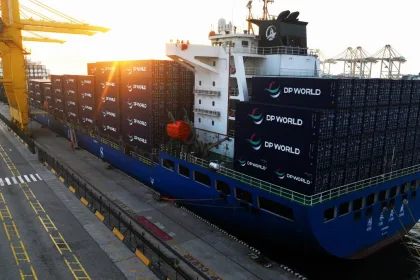
Port infrastructure development in Thailand, for example, enhances the nation’s capacity and efficiency to handle increasing cargo volumes, whilst greater supply chain resilience means companies are building more localised procurement strategies in response to disruptions, reducing reliance on distant suppliers.
Elsewhere, market opportunities in the Far East, Middle East, and Indian subcontinent are rising, with a moderate recovery in mainland China and increased growth in the ASEAN region.
These benefits highlight the importance of intra-Asian trade in fostering economic development and are creating opportunities for businesses within the region, having a significant impact on the food manufacturing sector in particular.
With global interest in cuisine comes demand for exported goods; however, sustainability, the digital revolution, processed foods, and health-conscious eating habits are also shaping demand.
The intricate interplay of culinary traditions and innovative practices in the intra-Asian food and beverage trade highlights the region’s potential to foster collaboration and sustainable growth.
By embracing menu sharing and the C+1 strategy, nations can enrich their culinary landscapes and strengthen economic ties and cultural exchanges.
As the continent navigates the challenges of consumer demand and evolving markets, the emphasis on sustainability and local flavours will continue to shape a vibrant, interconnected marketplace.
Ultimately, these collaborative efforts will enhance the consumer experience, encourage tourism, and promote a deeper understanding of the rich diversity that defines Asian cuisine and culture.

ASIAN FOOD TRENDS DRIVING GROWTH
- Swicy – A portmanteau of sweet and spicy, combining the elements of sugary or fruity dishes with the heat from chilli peppers or spices. Whilst the hot honey flavour is ubiquitous at present – from sandwiches and crisps to chocolate and cakes – the swicy trend has been around for a while, featuring combinations like salted caramel, dark chocolate and chilli, and mango chutney. Beverages have also had a swicy makeover with the spicy margaritas experiencing a cultural moment.
- Fermentation – Foods such as kimchi, miso, and kombucha are well-known for promoting gut health, whilst Asian superfoods like matcha, seaweed, and turmeric are becoming staples in the wellness market.
- Umami – The term ‘umami’ is a Japanese word that translates to ‘pleasant savoury taste’. It refers to a distinct flavour that triggers specific receptors on the tongue that respond to substances such as glutamate and nucleotides, including inosinate and guanylate. This makes umami unique. Examples of umami foods include mushrooms, tomatoes, aged cheeses, anchovies, and beef.
- Plant-based – Tofu, tempeh, jackfruit, and legumes are key ingredients in plant-based Asian cuisine, as vegan dumplings, curries, and dairy-free bubble teas are expanding meat-free options for consumers.
- Fusion – Cross-cultural cuisine has become an established category rather than just a trend. Dishes like Korean tacos, sushi burritos, and Thai-inspired pizzas can be found not only in Asia but also on menus around the world. This presents a lucrative opportunity for manufacturers, as demand for innovative sauces, snacks, and ready meals is on the rise.