




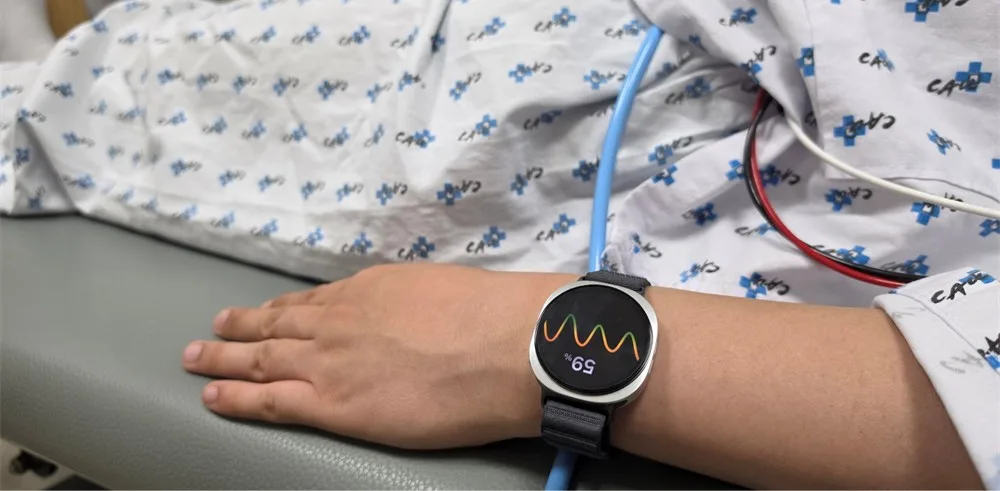
A clinical study conducted by Samsung and Chung-Ang University Gwangmyeong Hospital has demonstrated the potential for consumer wearables to predict vasovagal syncope episodes before they occur, signalling new opportunities for preventive monitoring and digital health intervention.
Wearables Move Further into Preventive Healthcare
Samsung Electronics has announced the results of a joint clinical study with Chung-Ang University Gwangmyeong Hospital demonstrating the potential for smartwatch-based prediction of vasovagal syncope (VVS), commonly known as fainting.
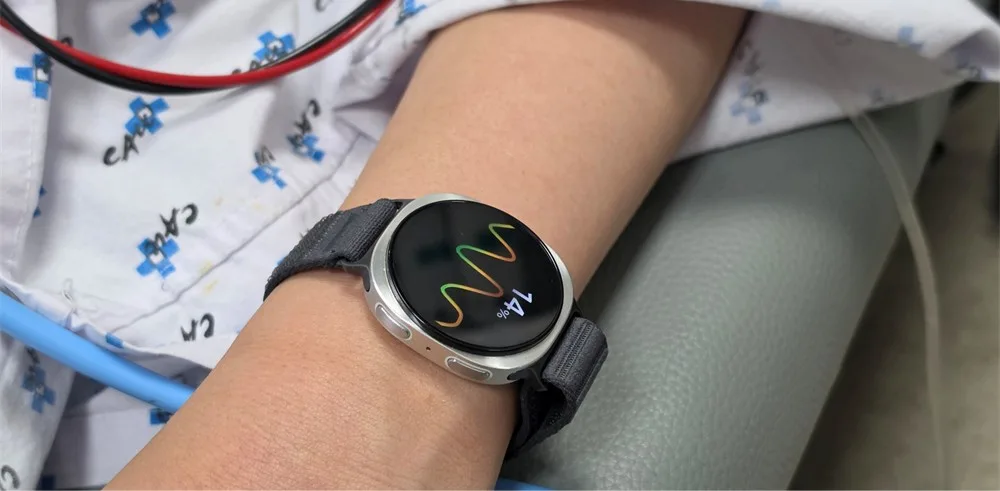
The research used biosignal data collected from the Samsung Galaxy Watch6 and analysed heart rate variability patterns through an AI algorithm to identify signs of an impending fainting episode.
According to the study, the model was able to predict episodes up to five minutes in advance with an accuracy rate of 84.6%.
Addressing Risks Associated with Vasovagal Syncope
Vasovagal syncope occurs when heart rate and blood pressure suddenly drop, often triggered by stress or other physiological factors, leading to temporary loss of consciousness.
While fainting itself is generally not life-threatening, falls associated with episodes can result in serious secondary injuries, including fractures and concussions.
“Up to 40% of people experience vasovagal syncope over their lifetime, with one-third experiencing recurrent episodes,” said Junhwan Cho, Professor of Cardiology at Chung-Ang University Gwangmyeong Hospital.
“An early warning could give patients advance time to get into a safe position or call for help, which would dramatically reduce the incidence of secondary injuries.”
Clinical Validation Using Consumer Wearables
The study evaluated 132 patients with suspected VVS symptoms during induced fainting tests.
Researchers used the smartwatch’s photoplethysmography (PPG) sensor to collect heart rate variability data, which was then processed through an AI model trained to detect physiological changes preceding fainting episodes.
The system achieved a clinically meaningful sensitivity of 90% and specificity of 64%, supporting the feasibility of wearable-based prediction systems in healthcare settings.
Samsung said the findings represent the first study to demonstrate the potential for a commercial smartwatch to provide early prediction of syncope.
Expanding the Role of Digital Health Monitoring
The findings reflect a broader trend toward integrating consumer-grade wearable devices into preventive healthcare and remote patient monitoring strategies.
“This study is an example of how wearable technology can help shift healthcare from being designed for ‘post-care’ to a model of ‘preventive care,’” said Jongmin Choi, Head of Health R&D Group at Samsung’s Mobile eXperience Business.
“We are committed to driving technological innovation that empowers our users to lead healthier everyday lives.”
Real Implications for Healthcare Providers
For healthcare providers, the study suggestss the increasing clinical potential of wearable biosignal monitoring in early intervention and patient safety applications.
The ability to identify high-risk events before symptoms escalate could support new models of remote monitoring, particularly for patients with recurrent syncope conditions or elevated fall risk.
For digital health developers, the research also adds the growing convergence of AI analytics, biosensors and consumer devices in preventive care pathways.
This article was produced by the editorial team at APAC Outlook and published as part of the Outlook Publishing global network of B2B industry magazines.
Outlook Publishing delivers industry insights, company stories, and sector coverage across manufacturing, mining, construction, healthcare, supply chains, food production, and sustainability.
APAC Outlook provides ongoing coverage of organisations and developments shaping industries across the Asia-Pacific region.