



Chris Bishop, Head of APAC, Ipsotek – an Eviden business – explores the business and health and safety benefits gained from deploying advanced video analytics across 29 railway stations in Singapore, whilst leveraging existing infrastructure in a mission-critical environment.
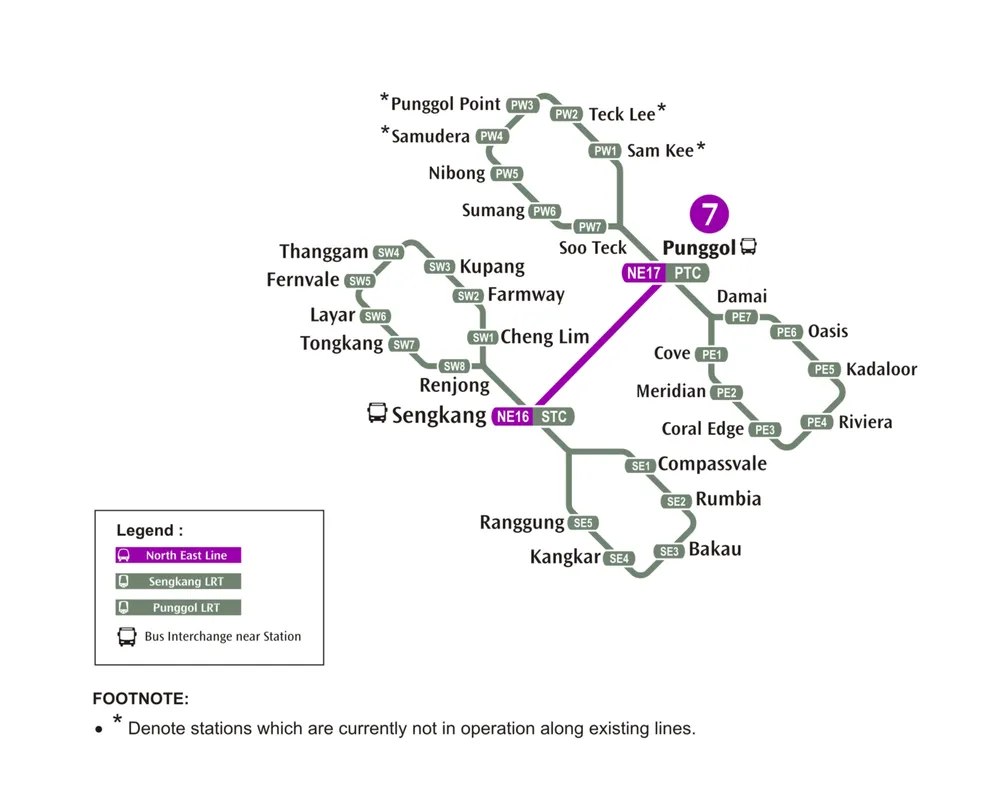
The island nation of Singapore has nine train lines consisting of six Mass Rapid Transit (MRT) lines and three Light Rail Transit (LRT) systems. The Sengkang-Punggol LRT (SPLRT) in the Northeast of the island has an annual ridership in excess of one million passengers and interconnects with two main-line stations.
Sengkang and Punggol connect commuters with the heart of Singapore’s central business district via the North East Line (NEL). Maintaining a reliable, safe service across the SPLRT is essential for passengers to plan their daily commutes from home to their place of work in the city.

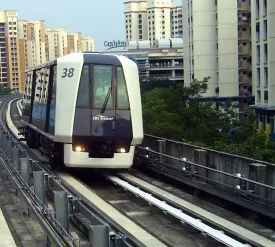
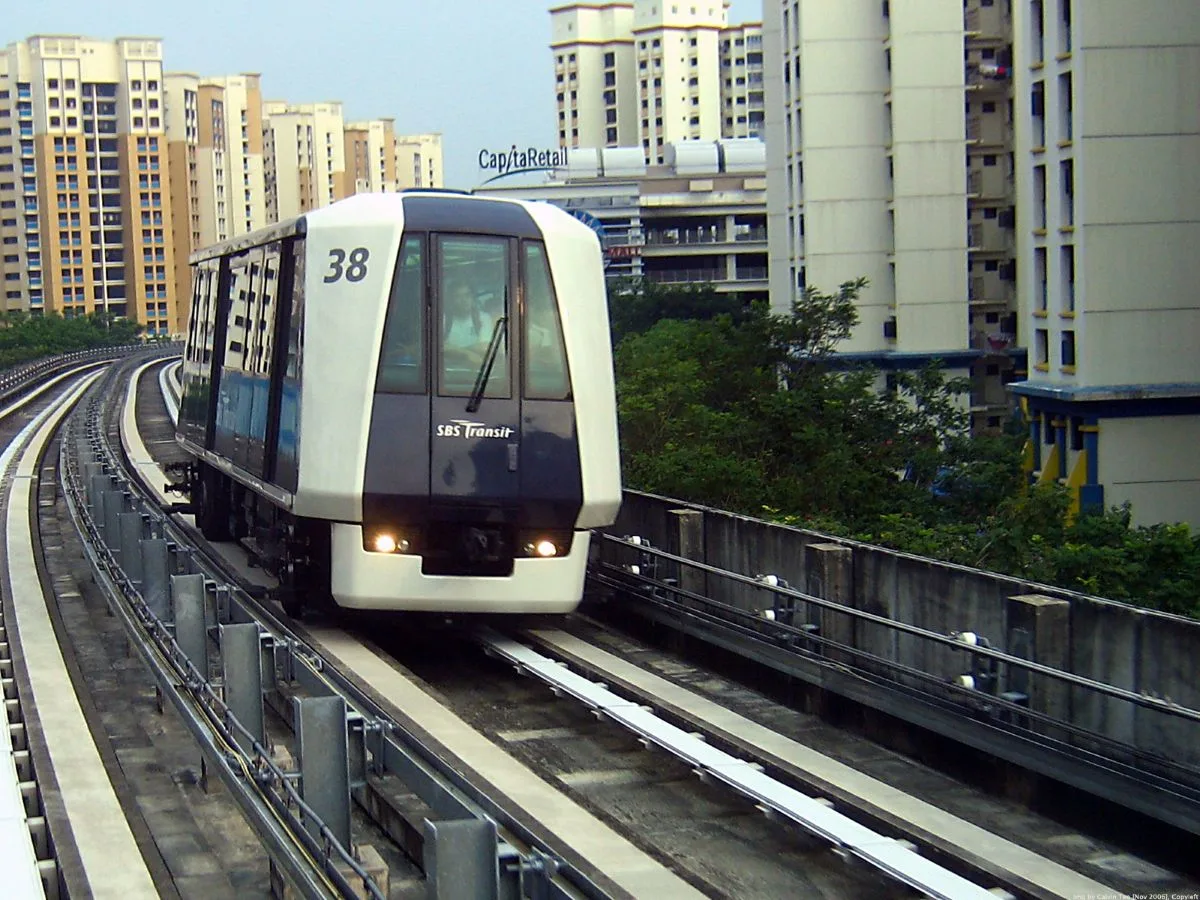
SPLRT operates fully automated, driverless carriages sometimes referred to as Automatic People Movers (APMs), which feature rubber-tyred cars running on elevated concrete tracks to minimise noise and vibrations, with the power pick-up on the left-hand side of the APM.
ENSURING PASSENGER SAFETY
Maintaining a safe commuter experience is crucial for the SPLRT operator SBS Transit (SBST), a multi-modal public transport operator of bus and rail services across Singapore.
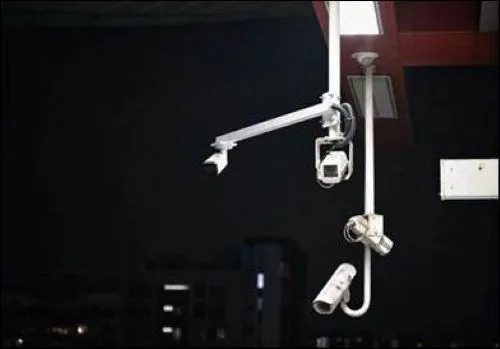
To help ensure this, SBST is working with an advanced video analytics and artificial intelligence (AI) solution that integrates with its existing infrastructure to analyse CCTV video footage covering both the tracks and platforms in real-time. SBST refers to this system as VAnGaurd.
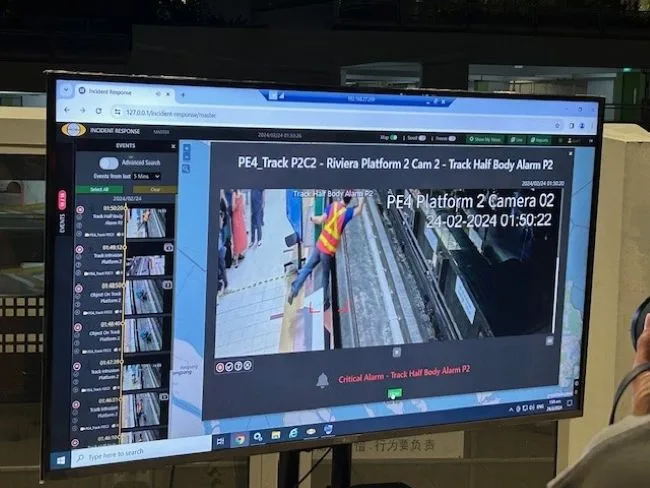
With VAnGaurd now in operation, when an alert is generated to identify a potential scenario that requires review, it is sent to a remote operational control room (OCR) in less than two seconds for operators to manage.
The alert will typically consist of metadata text and a still image, which combined is approximately seven to eight megabytes (MB) and shows the operator the type of alert, its severity, and determines which standard operating procedure they should follow to manage and resolve the alarm.
PLANNING IN MISSION-CRITICAL ENVIRONMENTS
Deploying automatic detection technology of this nature in a mission-critical environment requires detailed planning and assessment to cover all eventualities. During weekdays, the first LRT train starts at 05:18 am, with the last APM departing at 12:37 am, depending on the specific station and direction.
Operating a near 24/7 service of this nature mandates that server hardware deployed at stations must be reliable and easily maintainable. The AI Computer Vision software must also provide a flexible platform to accommodate current and future operational requirements with low false alarm rates.
In addition to assessing the technical requirements of technologies, SBST also has to assess and understand potential environmental impacts and their effects on the performance of automated detection algorithms.
DETECTING POTENTIAL TRACK INTRUSIONS
Singapore has an abundant annual rainfall, characterised by short afternoon thunderstorms and wetter conditions during the Northeast Monsoon. Whilst rainwater can evaporate quickly, it can also build up between the raised concrete tracks used by the LRT APM’s as irregular-shaped puddles.
Add sunlight and shadows to the equation, and it is possible for puddles of water to appear like the outline of an object or a person on the tracks.
Careful consideration was therefore paid to the location of existing CCTV cameras across the SPLRT network and their field-of-view in order to determine where new cameras should be installed and provide maximum coverage of the platforms and tracks at each station.
Now, when a potential object or person is detected on the track, an alert is generated and sent to the OCR in less than two seconds, where operators review the alert and CCTV footage, and take the necessary actions to manage and resolve the alarm.
This can include pressing the emergency power button on the console that turns the power off along a specific loop of the SPLRT (power for the APMs is provided via a third rail on the left-hand side of the track in the form of a 750V direct current).
ENHANCING THE PASSENGER EXPERIENCE
In addition to detecting objects or people on the track, the VAnGaurd system can also detect a partial intrusion such as a person sitting on or leaning over the platform edge, loitering on the platform, an abandoned object, and a wheelchair.
Singapore has more than 780,000 residents aged 65 and older, making up approximately 20 percent of the population. Being able to automatically identify a wheelchair user allows station staff to offer them assistance and enhance the passengers’ experience in a positive way.
Singapore’s public transportation system is an affordable, efficient, clean, and well-integrated transportation network offering commuters multiple choices for their travel plans across the island.
As towns and developments continue to grow and expand across Singapore, it is essential that passengers feel safe and confident when using the SPLRT and other rail routes.
By utilising AI video analytics and leveraging existing infrastructure in a mission-critical environment, SBST has shown how to enhance health and safety and security for passengers and staff in real-time.
This article was contributed by a guest author and published by the editorial team at APAC Outlook, part of the Outlook Publishing global network of B2B industry magazines.
Outlook Publishing features leadership insights, industry perspectives, and company stories from organisations shaping sectors including manufacturing, mining, construction, healthcare, supply chains, food production, and sustainability.
APAC Outlook explores the companies, leaders, and industry developments driving growth and innovation across the Asia-Pacific region.