




Across safety-critical industries, working at height is one of the most common high-risk activities. Whilst prevention remains the priority, critical situations that require a rapid and effective response can still arise.
That’s the challenge addressed by the Rescue From Height standard from OPITO, the global, not-for-profit skills body for safety-critical industries. The standard gives learners the knowledge and confidence to respond in a safe and structured way when a height-related emergency occurs.
BUILDING COMPETENCE BEFORE AN EMERGENCY HAPPENS
At its core, OPITO’s Rescue From Height standard is about developing the capabilities required in technically and operationally challenging rescue scenarios. The standard is designed for workers who already understand the fundamentals of working at height and are ready to take the next step in their learning journey.
“The training gives workers operating at height the time and space to develop their confidence and competence, so they don’t have to apply their knowledge for the first time at a moment when something incredibly unexpected is happening,” explains Laura McNaughton, Product Development Manager at OPITO.
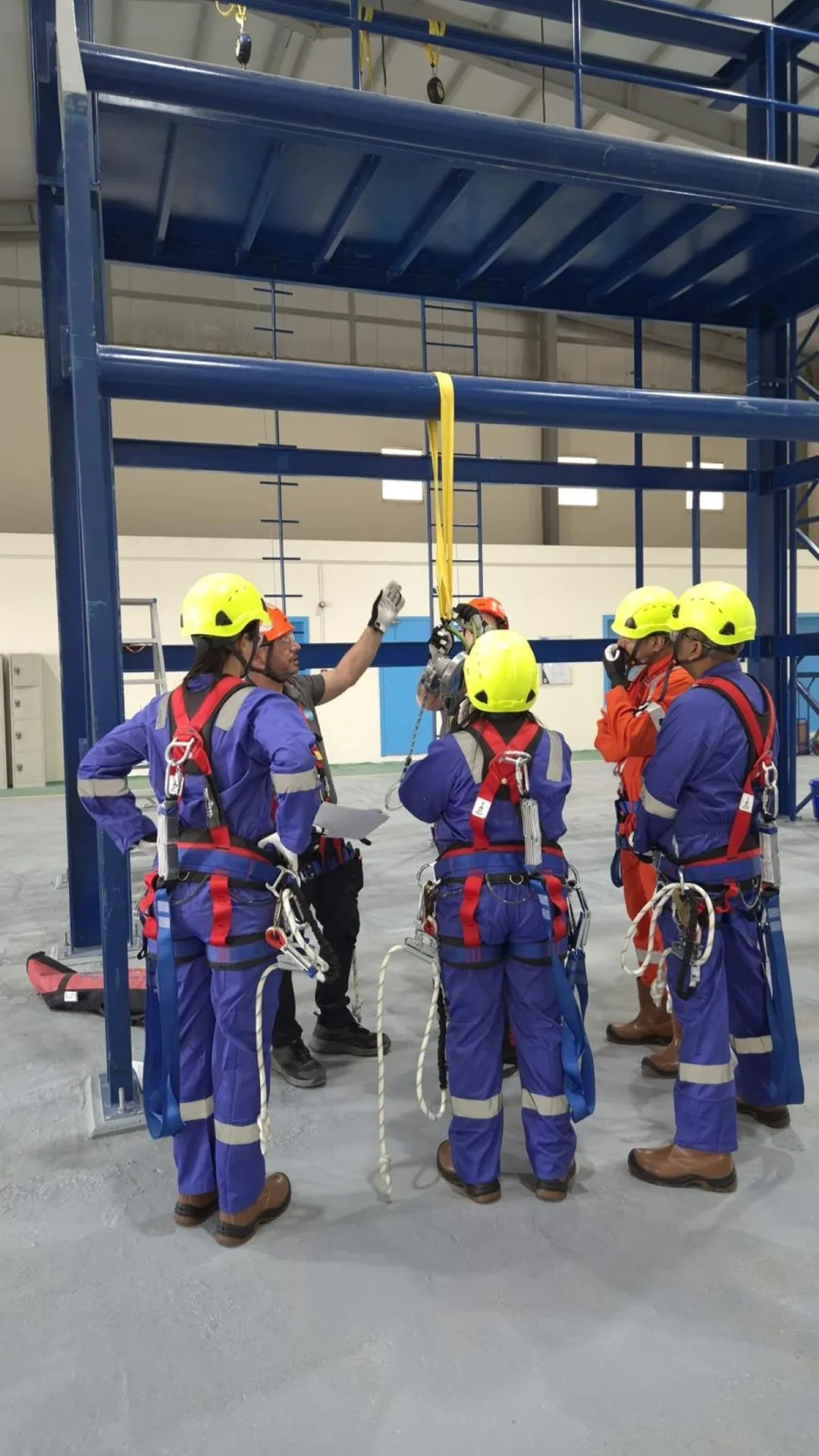
Rescue From Height helps create a complete and progressive learning journey for those working in high-risk environments. Learners begin with safety awareness of working at height, then develop practical working at height skills, before moving into rescue planning and execution.
The training strengthens learners’ ability to assess risk, use equipment effectively, and make structured decisions under pressure.
STRENGTHENING THE WORKING AT HEIGHT SKILLSET
OPITO’s Rescue From Height standard aligns established global rescue principles and best practices with the specific demands of working at height. Across organisations and sites, this approach supports a more consistent understanding of rescue principles, equipment use, and decision-making in emergency scenarios.
The standard builds on existing working at height training by gradually extending the knowledge and practical skills learners have begun to develop.
“Some programmes move very quickly into more advanced rescue techniques,” McNaughton informs.
“That can be quite a big progression for someone who has just recently developed their working-at-height capability. Rescue From Height is designed to bring people into that rescue activity more comfortably.”
The standard also introduces the principles of self-rescue, helping learners recognise what actions they may need to take if they are directly involved in an incident. This includes understanding the risks associated with suspension and the importance of acting quickly.
“It’s about what you can do for yourself if you find yourself in that situation,” McNaughton explains. “Even if it’s just a temporary action, it can make a difference.”
Together, these elements strengthen the overall working-at-height skillset, giving workers greater awareness of how their actions, equipment, and environment interact during a rescue scenario.
GROUNDED IN REALISTIC, SCENARIO-BASED LEARNING
Realistic, scenario-based learning underpins the Rescue From Height standard. The training is structured to reflect real work conditions from the outset, using scenarios and equipment that workers are likely to encounter on-site.
“Learners begin by building a rescue plan that’s relevant to their own work location,” says McNaughton.
“They then use that plan in the practical exercise, so they can see what works and what they might need to adjust.”
The standard’s practical exercises increase in complexity as learners progress through different rescue scenarios.
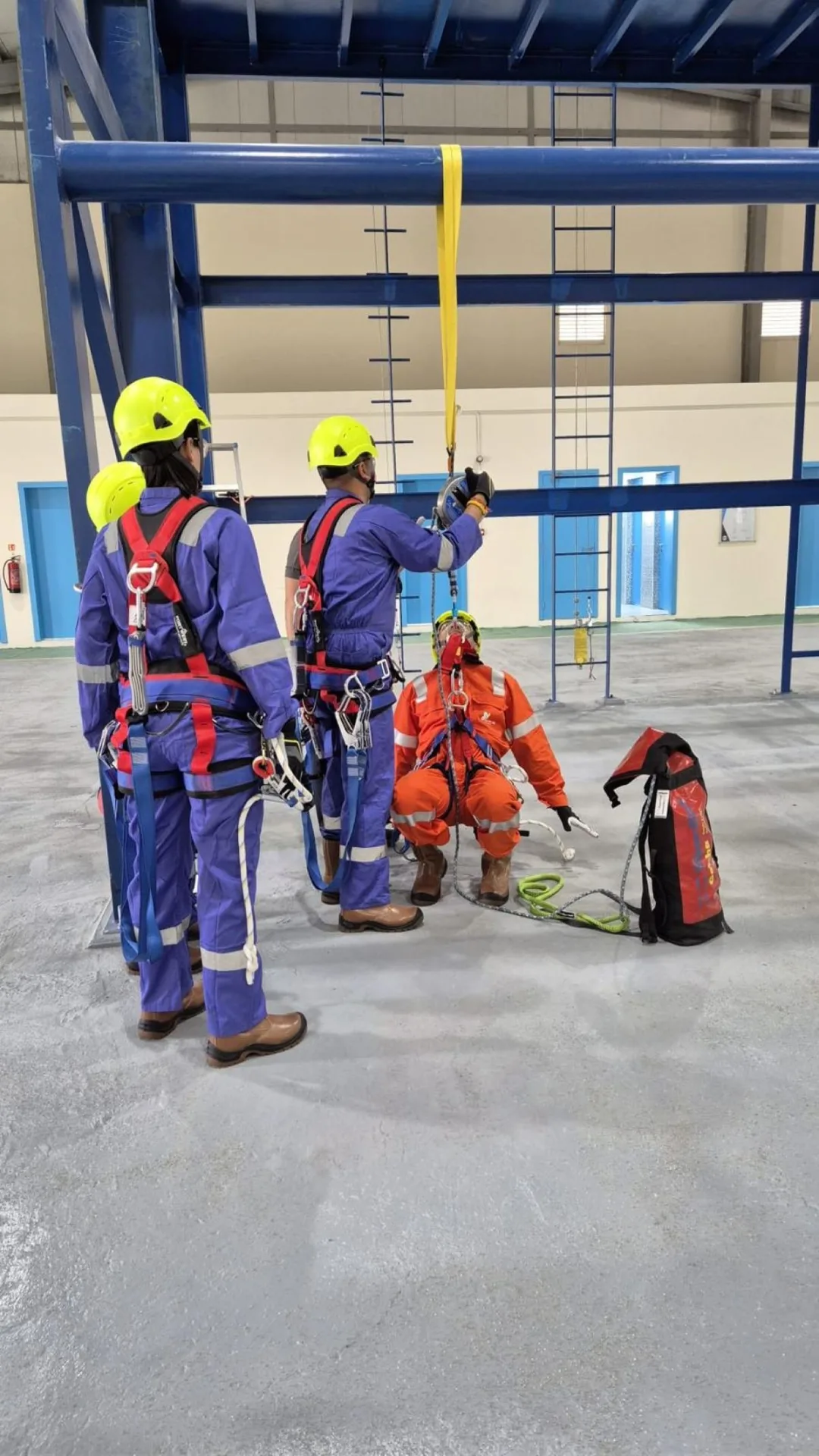
“Learners move from self-rescue through to team rescue and supporting an unconscious casualty. That progression into group-based scenarios helps them understand what it feels like to work as part of a coordinated response,” she explains.
To support a high-quality training experience and ensure consistency in equipment, environment, and assessment conditions, the Rescue From Height standard is delivered through OPITO-approved centres.
BUILDING CONFIDENCE, JUDGEMENT, AND RESPONSE CAPABILITY
Through a combination of planning, practice, and realistic scenarios, learners develop the ability to act quickly and decisively whilst maintaining control under pressure.
“There’s a very narrow window of time in some rescue from height situations,” McNaughton notes.
“In certain cases, you may only have around 15 minutes before the consequences become severe.”
Repeated exposure to these scenarios helps learners make clear, informed decisions, building the practical judgment they need to manage that pressure in a real situation.
For organisations, this means a workforce is better prepared to respond effectively in critical situations. It also supports wider competence frameworks, particularly in areas such as emergency response planning and ongoing safety development.
SUPPORTING A STRONGER SAFETY CULTURE
Effective rescue depends on preparation, clear thinking, and the ability to act under pressure. The Rescue From Height standard develops these capabilities through realistic scenarios and structured training, helping learners understand how to apply their skills in a controlled and consistent way.
Ultimately, OPITO’s Rescue From Height standard ensures that when a critical moment arises, workers do not rely on instinct alone. Instead, they can draw on structured training, practical experience, and a clear understanding of how to act.
When time is limited, that preparation can make a critical difference to the speed, clarity, and control of a safe response.