


Lenovo Advances IT Sustainability with Makersite Partnership

By
Lucy Pilgrim
Deputy Head of Editorial
Lucy Pilgrim is an in-house writer for APAC Outlook Magazine, where she is responsible for interviewing corporate executives and crafting original features for the magazine, corporate...
- Deputy Head of Editorial

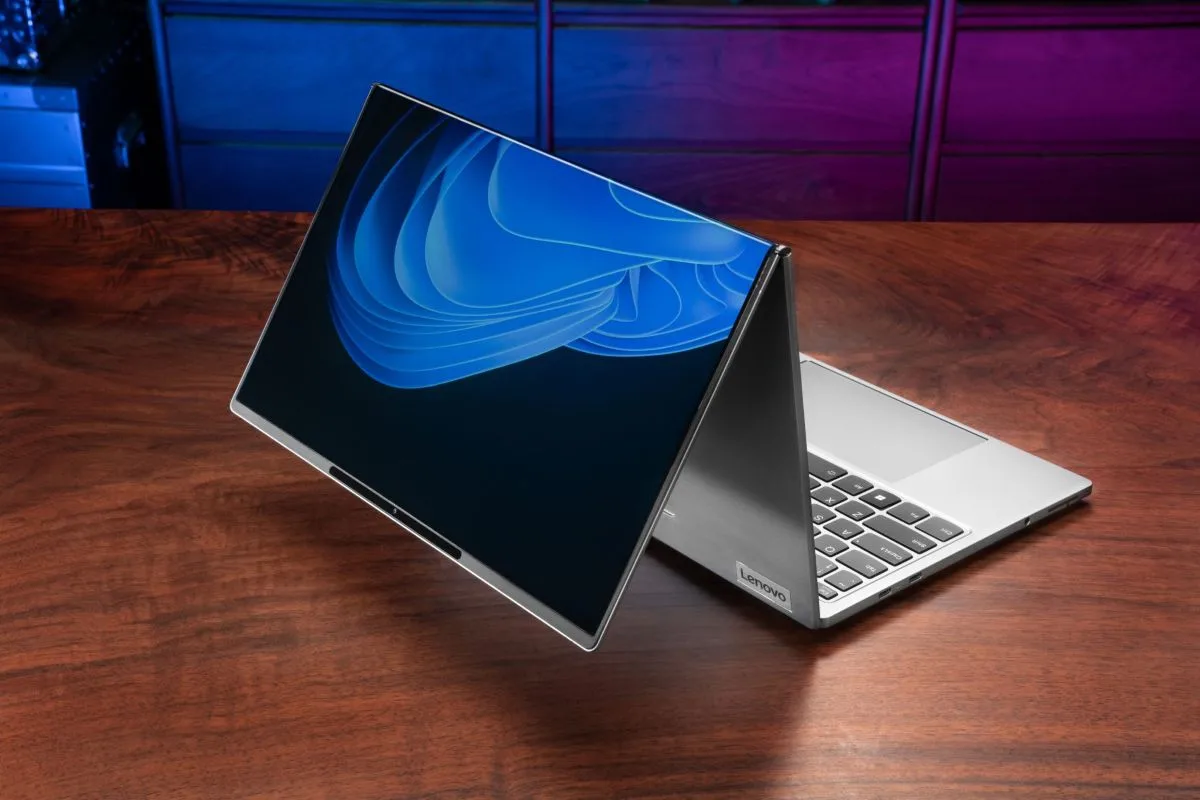
Lenovo sets a new standard for transparency and precision in IT sustainability by delivering configuration-level product carbon footprint data for ThinkPad.

DRIVING PRECISION IN SUSTAINABILITY DATA  

With sustainability becoming an increasingly important factor in enterprise purchasing, Lenovo is advancing its approach by delivering configuration-level Product Carbon Footprints (PCFs) for its ThinkPad portfolio through a partnership with Makersite. 

The move reflects a broader shift in enterprise expectations, as buyers are no longer satisfied with product-level carbon estimates and are instead seeking detailed insights into the environmental impact of specific configurations. This includes demand for data that is aligned with International Organisation for Standardisation (ISO) frameworks and supported by verifiable methodologies. 

Historically, ThinkPad PCFs were reported at the model level, providing an accurate portfolio-wide view but lacking the granularity needed to reflect variation across thousands of possible configurations. This created challenges during enterprise tenders, where customers increasingly requested configuration-specific data, often requiring additional manual analysis. 

By adopting Makersite as a complementary system, Lenovo has transitioned to a more detailed and scalable approach. The integration enables automated Life Cycle Assessments (LCAs), enhanced supplier data utilisation, and standardised modelling processes –supporting greater accuracy and transparency in sustainability reporting. 

ENABLING DATA-DRIVEN PURCHASING DECISIONS  

The shift to configuration-level PCFs allows Lenovo to provide enterprise customers with more meaningful insights into how individual component choices influence overall carbon impact. 

Variations in storage, memory, displays, and other hardware elements can significantly affect a device’s footprint. With enhanced modelling capabilities, Lenovo can now demonstrate these differences clearly, helping customers balance performance, cost, and sustainability considerations. 

This level of visibility also strengthens engagement during procurement processes. Evidently, rather than relying on broad estimates, sales teams can present data-backed comparisons, enabling more informed decision-making. For example, alternative component selections with lower carbon impacts can be identified and evaluated using credible, standardised data. 

The approach aligns sustainability more closely with practical purchasing decisions, making it a measurable and actionable factor within enterprise IT strategies. 

BUILDING A SCALABLE DATA FOUNDATION 

To support this sustainable transformation, Lenovo has established a unified and auditable data framework by integrating Makersite into its workflows, which consolidates sustainability, engineering, and commercial data, ensuring consistency across teams and outputs. 

Millions of supplier Full Material Declarations (FMDs) have been incorporated into the platform, enabling detailed, substance-level LCAs and improving the accuracy of carbon modelling. A structured validation process has also been introduced to maintain data quality as new components are added. 

This centralised approach enhances confidence in sustainability reporting whilst improving efficiency in responding to customer requirements. It also enables Lenovo to scale its configuration-level modelling capabilities across its product portfolio. 

SUPPORTING NET ZERO AMBITIONS 

Lenovo’s investment in advanced carbon modelling supports its broader commitment to achieving net-zero greenhouse gas (GHGs) emissions by 2050, with targets validated by the Science Based Targets initiative (SBTi). 

The accurate measurement of emissions across the value chain remains a key challenge, particularly as a significant proportion of emissions fall within Scope 3, including product use by customers. By providing configuration-level PCFs, Lenovo is enabling organisations to better understand and manage their own IT-related carbon impact. 

Through data-driven tools and enhanced transparency, the company is strengthening its sustainability strategy whilst supporting customers in making more informed, environmentally conscious purchasing decisions. 

This article was produced by the editorial team at APAC Outlook and published as part of the Outlook Publishing global network of B2B industry magazines.

Outlook Publishing delivers industry insights, company stories, and sector coverage across manufacturing, mining, construction, healthcare, supply chains, food production, and sustainability.

APAC Outlook provides ongoing coverage of organisations and developments shaping industries across the Asia-Pacific region.

TAGGED:
CREDIT:Lenovo
Share This Article
Deputy Head of Editorial
Follow:
Lucy Pilgrim is an in-house writer for APAC Outlook Magazine, where she is responsible for interviewing corporate executives and crafting original features for the magazine, corporate brochures, and the digital platform.