


Martin Broglia, Managing Director for Bonfiglioli Australia and New Zealand, outlines why stronger policy support, renewable investment, and grid modernisation are critical to Australia’s net zero transition.
THE TRANSITION TO RENEWABLE RESOURCES
The 2026 Climate Change Performance Index (CCPI) ranks Australia 56th on the global list (down from 52nd place in 2025), noting that while our government has set a broad emissions reduction goal to cut greenhouse gas emissions by up to 70 percent by 2035, it has not outlined detailed plans for how this will be achieved.
“Countries that are actively prioritising the shift to net zero and are investing in renewable energy are believed to hold over 50 percent of global GDP. If Australia is to secure its position among the leading economies of the world, the transition to renewable resources as well as the requisite investment in infrastructure and grid modernisation – underpinned by policy support – must become chief priorities,” says Martin Broglia, MD of Bonfiglioli Australia and New Zealand.

LOWERING THE BARRIERS TO CHANGE
Along with the government’s updated Net Zero emissions target, the Minister for Climate Change and Energy announced that 20 renewable energy projects have been selected under the Capacity Investment Scheme, and these are expected to deliver 6.6 gigawatt (GW) of renewable energy, putting Australia on track to achieve its targets.
Barriers to investment in renewable energy are also being scaled back, with the government announcing an imminent reduction in the costs and administrative requirements associated with developing renewable energy projects, including wind energy projects.
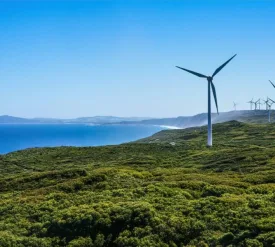
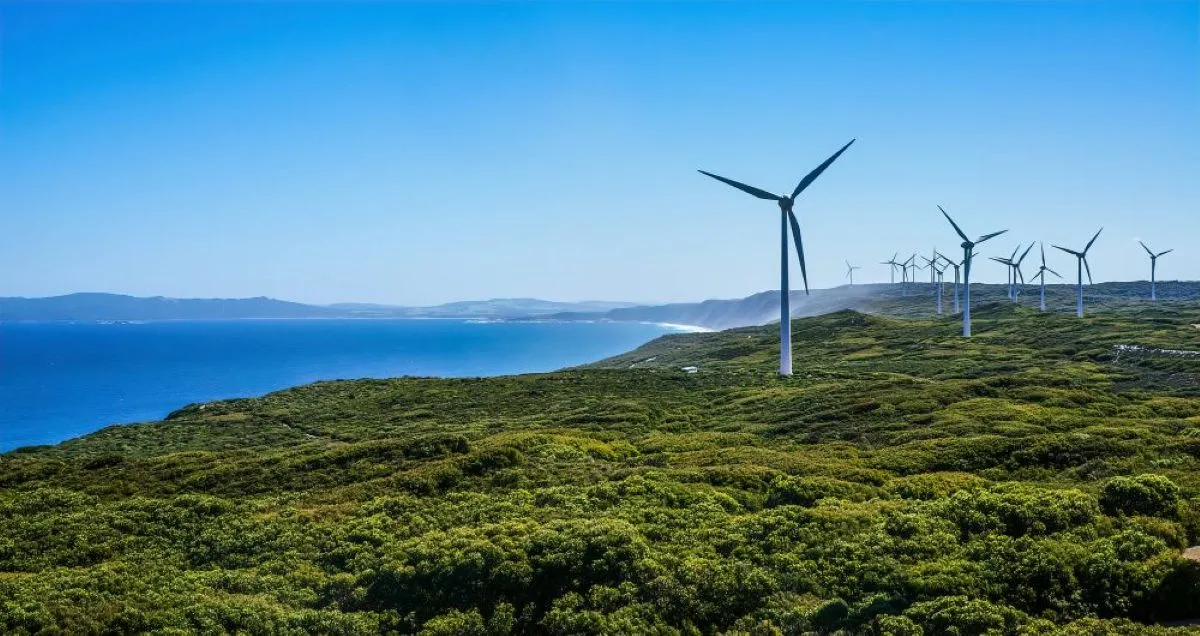
The local focus on the development of the wind energy sector reflects a broader global push, with the global wind energy market set to grow by 8.8 percent annually. Wind generation experienced significant growth in 2025.
According to the Clean Energy Council’s Q4 2025 report, nine major wind and solar projects were commissioned in Australia during the final quarter of 2025, adding 2.1 GW of new capacity (which is equivalent to powering 1.4 million homes).
The Australian Energy Market Operator (AEMO) reported a 29 percent increase in wind output during Q4 2025, compared with the same period in 2024.
MEETING THE DEMANDS OF A FAST-GROWING SECTOR
“Investment in infrastructure, grid modernisation and energy solutions will become key in the next few years. Demand for innovative, reliable and robust wind energy equipment will intensify, and turbine OEMs will look to partner with suppliers who can meet the requirement for resilience, energy efficiency, quality and cost-efficiency,” adds Martin.
Bonfiglioli holds a share of over 35 percent of the global wind turbine gearbox market, with a range of complete solutions that have been developed over almost 45 years of collaboration with leading OEMs.
The company’s commitment to ongoing R&D, the optimisation of its drives and the high level of quality and customisation of its solutions are all recognised differentiators.
In 2024, it initiated a renewal of the range of planetary drives specially developed for wind turbines, including compact solutions that offer greater thermal efficiency and require less lubricant, minimising environmental impact and enhancing product longevity.
In response to market demand for higher-efficiency motors, Bonfiglioli has developed and tested various sizes of its new efficiency-class asynchronous motors.
BRINGING GLOBAL SOLUTIONS TO LOCAL WIND PROJECTS
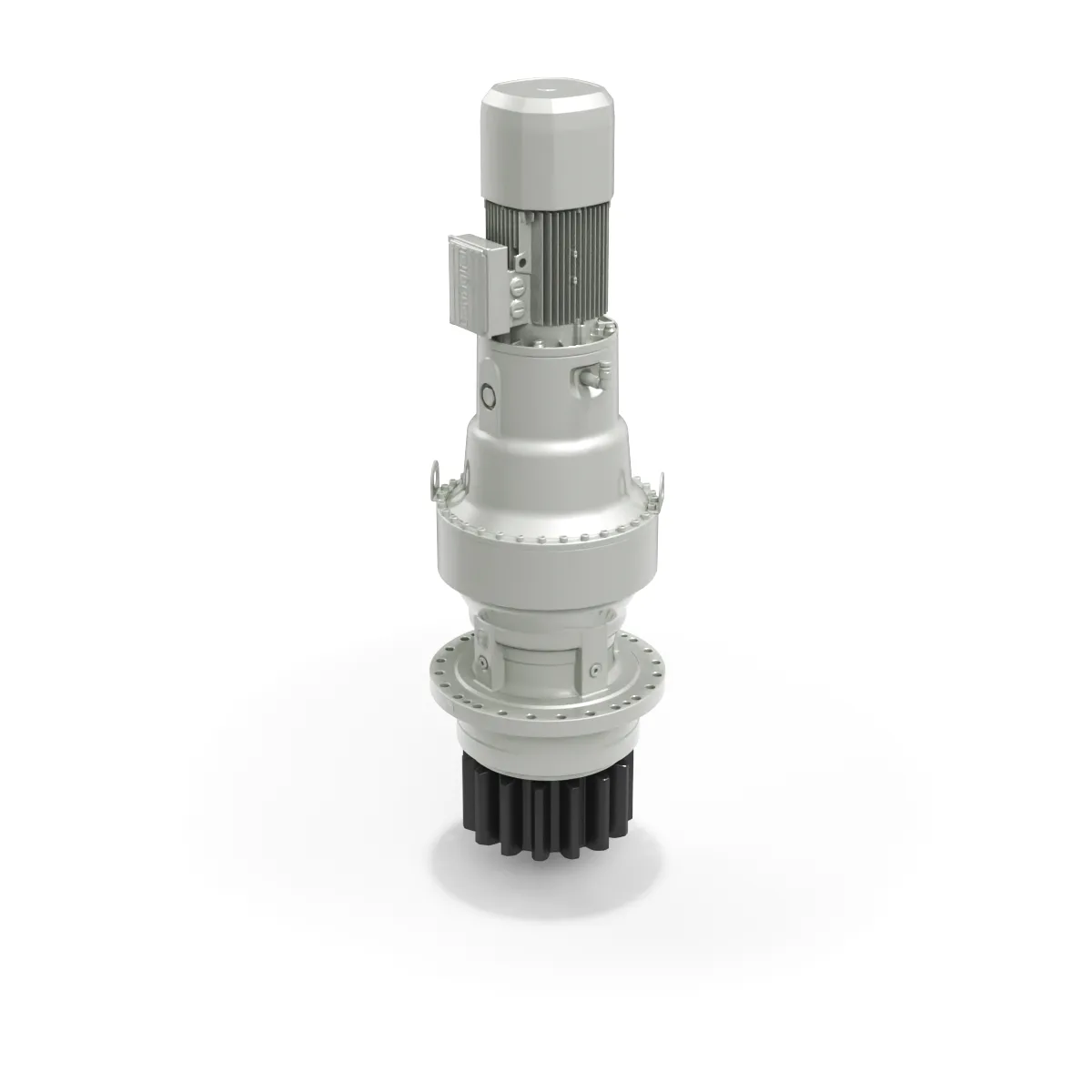
Bonfiglioli’s solutions for the wind energy sector include the 700TW Series yaw drive planetary gearbox, designed to reduce the lifetime cost of a wind turbine plant.
This is a formidable heavy-duty gearbox with an integrated motor-inverter, in a lightweight package. It has high transmissible torque radial/thrust load capacity and great shock resistance, and it’s easily integrated with Bonfiglioli sensors to provide technicians with real-time data on the turbine system (speed, load and current), as well as maintenance indicators (i.e. temperature, vibration, etc.).
Bonfiglioli also offers compact permanent magnet synchronous AC motors, ideally suited for use in Pitch and Yaw systems. Offering precise speed and position control, these motors deliver shorter, more dynamic cycles and they offer high torque density.
“Customers in the wind energy sector are looking for partners who can offer local stockholding and assembly capabilities backed by proven engineering and maintenance expertise. Having expanded our local network of production and distribution facilities, Bonfiglioli is well-positioned to meet these needs,” concludes Broglia.
This article was contributed by a guest author and published by the editorial team at APAC Outlook, part of the Outlook Publishing global network of B2B industry magazines.
Outlook Publishing features leadership insights, industry perspectives, and company stories from organisations shaping sectors including manufacturing, mining, construction, healthcare, supply chains, food production, and sustainability.
APAC Outlook explores the companies, leaders, and industry developments driving growth and innovation across the Asia-Pacific region.