





Cultivating brand trust across global hospitality markets presents itself as the latest industry evolution. Paul Wainwright, Design Director and Partner of Harrison, delves into how a thoughtfully planned brand guarantees success.
BUILDING BRAND EQUITY ACROSS BORDERS
Trust is an invisible currency. In hospitality, it determines whether a brand becomes part of a local culture or simply fades as another passing import.
To build trust, brands need to do more than simply enter a new market and open a flagship location. Running deeper than food safety or brand recognition, building trust requires an understanding of how people live, what they value, and how the brand can fit naturally into their lives.
This, in turn, requires cultural respect, the ability to build emotional connection, and giving consumers the confidence that the brand will deliver on its promise consistently.
Research shows that consumers who trust a company are more likely to buy a product, stay loyal, and advocate for it. Social media is a great tool for brands to build initial hype, but early momentum built through social media can fade fast. When the influencers disappear and the novelty wears off, only relevance will keep a brand thriving.
“Think globally, act locally” is no longer a cliché – it is a survival strategy. No brand wants a mistranslation mishap like when KFC’s “Finger Lickin’ Good” became “Eat Your Fingers Off”. Brands who win are those that hold onto their core identity whilst making customers feel the experience was built for them, in their language, and within their culture.
WHEN GLOBAL GIANTS LOSE LOCAL RELEVANCE
Even the biggest brands can falter when local competitors move faster.
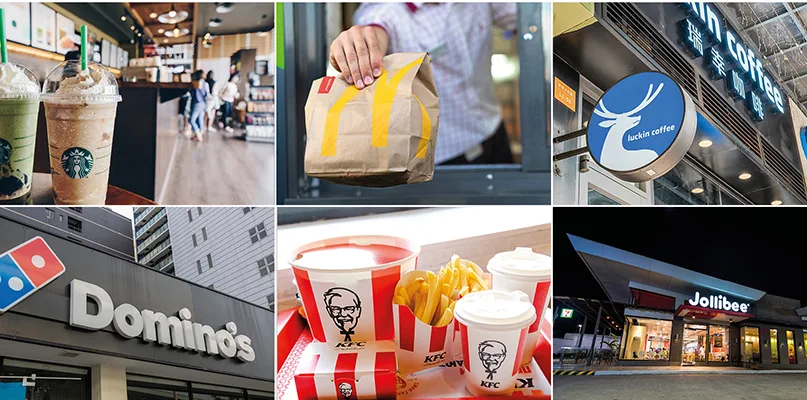
For example, in the coffee sector, Starbucks’ experience in China is a cautionary tale of how fragile global trust becomes in local markets.
For years, Starbucks symbolised aspirational coffee culture, but Luckin Coffee’s rise was meteoric. Founded in 2017, the company grew to more than 20,000 stores within a few years, surpassing Starbucks in both footprint and revenue.
Its model – app-only, low-staff, and hyper-convenient – met the needs of urban Chinese consumers perfectly. Prices were lower, promotions constant, and innovation relentless; in 2024 alone, Luckin Coffee launched 119 new drinks.
Starbucks attempted to respond with price cuts and trend-led beverages, but the speed and precision of Luckin Coffee’s local relevance left the coffee giant exposed. Economic headwinds haven’t helped Starbucks – when confidence dips, premium global brands often lose appeal whilst local operators win with affordability, convenience, and unparalleled cultural insight.
Customers notice when a brand thinks its above needing to pay attention to its local consumer base.
GLOBAL ADVANTANGE MEETS LOCAL INSIGHT
International brands hold undeniable advantages: resources, operational expertise, and worldwide recognition.
However, these strengths only translate into equal success when paired with deep local understanding and a decentralised, federated approach, allowing local teams autonomy whilst safeguarding the heart of the brand.
Starbucks’ early years in China saw stores adapted for social gatherings with larger tables, premium teas, and seasonal products like osmanthus lattes which reflected local tastes.
Elsewhere, France is – perhaps surprisingly to many – one of the biggest markets of McDonald’s, thanks to the business embracing French culinary norms rather than resisting them. Table service, bakery items, and fresh salads allowed the brand to integrate into a proud food culture which otherwise might have rejected mass-market fast-food.
KFC’s global-local balance is one of the strongest in the industry. In China, regional teams control menu innovation, resulting in congee breakfasts, szechuan chicken, and festival-themed menus. In Japan, KFC has become such a Christmas staple that demand regularly outstrips supply.
Sometimes adaptation means reframing a core strength. Australian-Mexican brand Guzman y Gomez entered the US by keeping its bold tone and flavours but adjusting pricing and portion sizes to meet local norms.
BUILDING LOCAL INTO THE BRAND STORY
Supply chains, whilst rarely glamorous, are powerful tools for building trust. As someone from a farming family in Orkney, Scotland, I’ve seen how local producers can excel in supporting smaller food and beverage brands.
Domino’s Pizza Japan partnered with local dairy farms for mozzarella, tying freshness and provenance directly into its brand story. Shake Shack in the Middle East uses halal-certified regional meat suppliers not only for compliance but also to respect cultural expectations.
During the COVID-19 pandemic, Australian-Japanese chain Ōkami worked with local producers and culinary schools, forging relationships that strengthened its community standing long after lockdowns.
Local sourcing can be commercially beneficial, but its real value is emotional. Customers trust what and who they can see.
TRUST THROUGH EMOTIONAL AND CULTURAL CONNECTION
Trust is built through the head, heart, and stomach. Brands that appeal on all levels earn more than customers – they earn advocates.
COYA keeps its Peruvian art, music, and cuisine consistent worldwide but adapts its events to local calendars, from Lunar New Year celebrations in Asia to wine-led experiences in Europe.
Jollibee brings Filipino warmth to every market, offering a taste of home to diaspora communities and an introduction to joyful comfort food for new audiences.
Meanwhile, Chinese dessert brand Mixue Ice Cream & Tea now has more outlets than McDonald’s globally, building its success on affordability, accessible formats, and hyper-local franchise operators who understand their neighbourhoods intimately.

LESSONS FOR THE ASIA PACIFIC MARKET
As we watch the Asia Pacific (APAC) region evolve, a few truths stand out, and none of them simple.
First, speed and agility win, but only when matched by cultural humility. Markets here move fast; what felt right last year may feel tone-deaf today. The travellers, diners and drinkers across Southeast Asia or Greater China are no longer drawn by a global logo – they’re drawn by relevance.
Second, prestige is being redefined, and increasingly it’s being home-grown. Across Asia, there is growing appetite for luxury and premium brands that feel local. A rising majority of consumers now believe that Asian brands match Western labels in quality and design, especially in Mainland China and Southeast Asia.
This means that “luxury” no longer defaults to Western heritage. It’s no longer enough to import a global aesthetic and hope it resonates. To earn trust, we need design and experiences that speak to local stories, tastes, and expectations.
Thirdly, experience trumps signage in APAC. Heritage once meant pedigree, but now it means memory – the way a space feels, the rhythm of service, the cues that feel native rather than imported.
The strongest hospitality with the best value will come from thoughtful, culturally fluent design and emotionally intelligent guest journeys and operations that anticipate local behaviours.
Quantity or flash won’t cut it – the future belongs to brands that move with humility, listen before they build, and deliver something meaningful not because “global says so”, but because local lives demand it.
TRUST IS THE DESIGN BRIEF
When expanding into a new market, trust should be treated as part of the design brief. It should shape menus, interiors, supply chains, staff training, and even the choice of partners.
Markets operate on history, hierarchy, and tradition. Ignore this, and friction follows; respect it, and you create flow.
The brands that succeed enter with humility, listen deeply, and use their global strengths to serve local communities. If you want to win in a new market, start by designing trust; everything else follows.